
Title
Auhtor
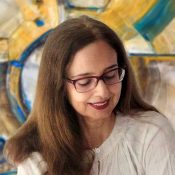
Excavating Language: Poetic Experimentation in Aurā’s Work
It is no irony that the development of Persian poetry in the twenty-first century—marked by a pluralization of voices and a decentralization of form—unfolded, at least partly, outside the capital, Tehran. Poetic voices that emerged…
September 16, 2026
|
14 min read
|

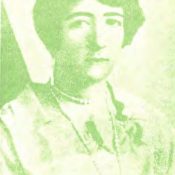
In Defence of Fasl-i Bahār Khānum: Refuting an Accusation of Plagiarism
Even though Fasl-i Bahār Khānum was a descendant of the Qajars, she did not make it into contemporary historiographical works. None of the following tazkirahs dating to the period, which were written when she was…
September 16, 2026
|
37 min read
|
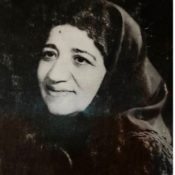
Mahīnʹdukht Muʿtamidī: A Torchbearer of Classical Poetry in the Contemporary Era
Women’s poetry in contemporary Iran has gained increasing attention in recent decades, yet it remains relatively underexplored. While scholarship on women poets has grown in recent years, twentieth-century women who wrote in classical Persian styles…
September 16, 2026
|
27 min read
|
Ruqayyah Kāviyānī (Sīmā):A Modern Poet of Gilan
My moonlit songs Take no orders From any pens and papers So you may add or omit Any point with any good intentions Ruqayyah Kāviyānī is among the contemporary poets of Gilan who has…
September 16, 2026
|
26 min read
|

The Necessity of Re-Editing Jahān Malik Khātūn’s Dīvān
A princess and a poet, Jahān Malik Khātūn wrote in the prose introduction to her Dīvān (collection of poems) that she was “the daughter of Masʿūd Shāh” of Injuids and a descendant of Khvājah Rashīd…
Opening the Drawn Curtain: Decoding the Gendered Personhood of the ‘Woman Poet’ in Persian Poetry
Of all the many ways in which literature can be delineated and categorized, distinctions along gender lines are perhaps the most complex. Debate around this label, and its implied hierarchy of writerly worth, remains divisive…
June 14, 2026
|
24 min read
|

The History of Women’s Poetry: From the Beginnings to the Present
Historicizing women’s poetry involves investigation of the evolution of poetry by Iranian women from the beginnings of Persian literature in approximately AH 400/900 to the present (1402/2023). This study introduces women poets in each epoch…
June 15, 2026
|
21 min read
|
Unveiling the Domestic Mind: Persian Women Poets on the Self and the Other
Introduction Poetry has been the heart of Persianate culture for a long time. More than any artistic media, poems have shaped and manifested Persian mental life for about a millennium.1[The author wishes to express her…
June 16, 2026
|
36 min read
|
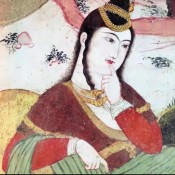
Jahān Malik Khātūn: Poetry, Life and Mediaeval Reception*
Her Life in Shiraz Jahān was an Injuid princess, and daughter of the ruler of Shiraz, Masʿūd Shāh (r. 736/1336–739/1339).1Dick Davis, trans., The Mirror of My Heart: A Thousand Years of Persian Poetry by Women…
June 16, 2026
|
14 min read
|


Inclusion and Exclusion of Literary Elements in Mastūrah Kurdistānī’s Ghazals
Introduction Māh Sharaf Khānum Mastūrah, a nineteenth-century Iranian poet who wrote under the pen name “Mastūrah,” was born in Sanandaj (a city in Kurdistan province) around AH 1220/1805. According to the Majmaʿ al-fusahā (Assembly of…
June 17, 2026
|
20 min read
|


Key Characteristics of Iranian Women’s Poetry in the 1370s/1990s
Introduction The 1370s/1990s marked a significant turning point in contemporary Iranian poetry, characterized by a bold departure from established norms and the emergence of diverse poetic voices. Among the most transformative developments of this period…
June 17, 2026
|
29 min read
|
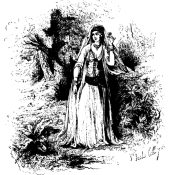
The Image of the Beloved in Hayrān Khānum Dunbulī’s Epic Poetry
Introduction The corpus of poetry preserved from Persian-speaking female poets is markedly limited compared to that of their male counterparts. As the editor of Hayrān Khānum’s Dīvān (Book of poems) observes, “At the inception of…
June 17, 2026
|
39 min read
|

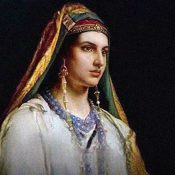
Jahān Malik Khātūn’s Poetic Imitation and Poetic Response
Introduction In 1374/1995, the Dīvān (Book of poems) of Jahān Malik Khātūn was edited and published by Pūrānʹdukht Kāshānīʹrād and Kāmil Ahmadʹpūr. Despite being the most extensive collection of poetry by a woman—and a royal…
June 18, 2026
|
46 min read
|

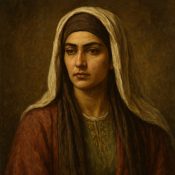
Rābiʿah Quzdārī: The Vanguard of Women’s Poetry
Introduction Rābiʿah bint Kaʿb Quzdārī was a poet who lived in the AH 4th/10th century. She has been referred to by various names, including “bint Kaʿb,”1Muhammad ibn ʿUmar al-Rādūyānī, Tarjumān al-balāghah [Interpreter of eloquence], ed….
June 18, 2026
|
36 min read
|


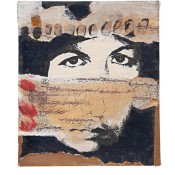
Iranian Armenian Poetry: Sonia Balassanian Crossing Borders of Consciousness
“Border art deals with shifting identities, border crossings, and hybridism,” —Gloria Anzaldúa Born…
June 19, 2026
|
11 min read
|

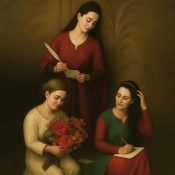
Women Poets of Kerman: Part One – From the 7th/13th to the 13th/19th Century AH/CE
Prologue Traveling from Tehran to Kerman, as one approaches the province, the desert landscape becomes increasingly expansive, the villages more scattered, the sun more intense, and water—life’s essential resource—ever scarcer. The resilient inhabitants of this…
June 19, 2026
|
23 min read
|

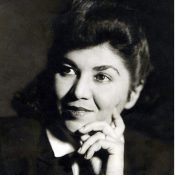
Zhālah Isfahānī, Iranian Poet, Scholar, and Activist
Figure 1. Portrait of Zhālah Isfahānī. Image source: Jaleh Esfahani Cultural Foundation. The poet known throughout her career as Zhālah Isfahānī (1300–1386/1921–2007) was born in Isfahan and officially registered as Itil Sultānī. In her autobiography,…
June 19, 2026
|
17 min read
|

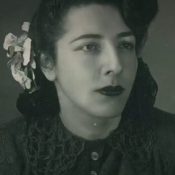
Īrānʹdukht Taymūrtāsh: A Maternal Voice in the Making of Modern Iran
Introduction Much of what is known about Īrānʹdukht Taymūrtāsh (1295–1370/1916–1991) comes from the influence of her father, ʿAbd al-Husayn Taymūrtāsh (1261–1312/1882–1933), who played a key role in the transition of power from the Qajar dynasty…
June 19, 2026
|
16 min read
|

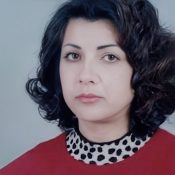
Women and Conceptual Metaphors in the Poetry of Humayrā Nakhat Dastgīrʹzādah
1. Introduction Half of human society is composed of women; however, the patriarchal structure of the world has historically provided them with fewer opportunities and limited access to the tools necessary for demonstrating their abilities….
June 21, 2026
|
32 min read
|

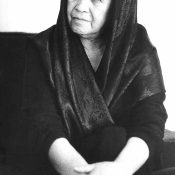
Parvīn Dawlatʹābādī, the Poet of Childhood Innocence
Parvīn Dawlatʹābādī: Life and Works Parvīn Dawlatʹābādī (1303–1387/1924–2008) was born in Dawlatabad, a town in the city of Isfahan. Her mother, Fakhr Gītī, served as the principal of the Nāmūs School in Isfahan, while her…
June 21, 2026
|
25 min read
|

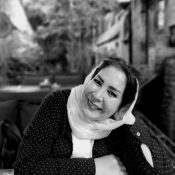
Laylā Mahbūbī: A Feminist Pastoral
To Vahīd Amīnīʹzādah Yazdī and their Zhīvār Introduction Pastoral poetry emerged from the contradiction between the urban and the rural, fueled by the duality of culture and nature, complexity and simplicity, the real and the…
June 22, 2026
|
19 min read
|

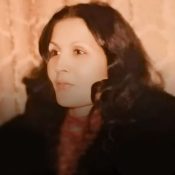
Writing at the Edge: Life, Love, and Death in Shahīn Hannānah’s Poetry
Introduction Shahīn Hannānah, the contemporary poet, writer, journalist, songwriter, and painter, was born on Day 3, 1319/December 24, 1940, in Sari, in northern Iran, to a father from Tehran and a mother from Luristan. Some…
June 23, 2026
|
20 min read
|

Nayyirah Saʿīdī, a Poet in Search of Women’s Rights
Introduction One significant outcome of Iran’s encounter with Western thought, beginning in the early 14th/20th century, was the emergence and growing participation of women in scientific, social, cultural, political and artistic fields. During the Qajar…
June 28, 2026
|
30 min read
|


Poetic Elements in the Works of Badrī Tundarī
Introduction Classical Persian literature, up until the Constitutional era, is predominantly patriarchal, with women primarily objectified as beloved figures or symbols of beauty, while their roles as intellectuals or pioneers of literary styles and movements…
June 29, 2026
|
39 min read
|

Deep-Rooted Rebellion: Contemporary Poetry of Iranian Women
Introduction Is there such a thing as feminine or masculine literature?1This article acknowledges the diversity of sexual identities and orientations. However, it specifically addresses the binary categories of male and female. This focus does not…
June 30, 2026
|
39 min read
|

A
- Afghan Women Poets in the Digital Age
- Anecdotes about Mihrī Hiravī in the Tazkira Tradition With Poems Newly Attributed To Her
- Ashraf Mishkātī: The Love-Stricken Poet of Gilan
- Azerbaijani Women Poets
- A Gadamerian Approach to the Hermetic Poetry of Fīrūzah Mīzānī and Parīmāh Aʿvānī
- A Lady Without Passport: Rābiʿah among the Islamic Republics
- A Look at the Lover’s Face in the Epic Poems of Hayrān Dunbulī
- A Private Journey Under the Red Shadow of an Umbrella: A Reading of Tāhirah Saffārʹzādah’s Poems from the Perspective of Dominance Approach
B
C
- Celestial Crossings: Literary Reception of Tāhirah Qurrat al-ʿAyn in the Indian Subcontinent
- Childhood in Afsānah Shaʿbānʹnizhād’s Poetry: Insights from an Iranian Woman Poet of Children’s Literature
- Comparative Women’s Poetry of Iran and Latin America
- Context and Concept: Early 20th Century Women Poets
D
E
F
- Farangīs Shantīʾā
- Farzānah Khujandī
- Fasl-i Bahār Khānum
- Female Identity and Poetry
- Female Poetics in Classical Persian Literature
- Female Poets of Mughal Court
- Feminine Aspects of Modern Persian Poetics
- Feminine Intervention: Early Qajar Women Poets
- Feminine Qalandar in Persian Poetry
- Feminine Voice in Classical Persian Poetry
- Feminist Poetics
- Fiction Writer Women Poets
- Form, Music, and Femininity: The Concerto Model as an Interpretive Framework for Fīrūzah Mīzānī’s Poetry
- From Boldness to Restraint: The Waning Audacity in the Poetry of Munīr Tāhā
- Furūgh Farrukhʹzād
H
I
J
K
L
M
- Madīna Gülgün
- Mahsatī Ganjavī’s Quatrains: Authenticity, Attribution, and New Discoveries
- Mahīnʹdukht Muʿtamidī: A Torchbearer of Classical Poetry in the Contemporary Era
- Mahʹkāmah Muhassis Lāhijānī
- Maryam Sāvujī
- Medieval Women Poets of Iran
- Mihrī Hiravī, an Audacious Poet in the Age of Veiled Speech
- Mihrī Hiravī; An Audacious Poet in the Age of Discretion
- Modern Poetic Expressions
- Mughal Female Poets
- Munīrah Taha: The First Female Lyricist
- Mānā Āqāyī: The Poet of Ideas
N
- Narrative as a Rhetorical Device in Līmah Āfshīd’s “The Old Woman”
- Nayyirah Saʿīdī, a Poet in Search of Women’s Rights
- Networking Women Poets: Connecting Furūgh Farrukhʹzād and Adrienne Rich
- Nūr Arfā
- Nūr Jahān Baygum (1577–1645), Queen of India, Poet of the Sixteenth and Seventeenth Centuries
- Nūrī Sayyārah Gīlānī (Nūr Arfaʿ 1286–1353/1907–1974)
O
P
- Pahlavi Women Poets
- Pakistani Women Poets Writing in Persian
- Parvīn Dawlatābādī: The Poet of the Literary Elite
- Parvīn Dawlatʹābādī, the Poet of Childhood Innocence
- Parvīn Iʿtisāmī and Women’s Rights?
- Parvīn Iʿtisāmī’s Eloquent Response to Patriarchy*
- Parvīn Iꜥtisāmī, A Major Persian Poet for All Time
- Parī Khān Khānum
- Persianate Jewish Women Poets
- Persian Mystic Women Poets
- Poetic Elements in the Works of Badrī Tundarī
- Politics of Gender and Desire in the Persian Qasīdah
- Polyphony in the Poetry of Rawyā Taftī
- Post-Revolution Iranian Women Poets
- Post-Revolution Poetry in Iran
- Public Reforms, Private Struggles: The Poetry and Activism of Malakah Iʿtizādī
R
S
T
- Tajik Women Poets
- Tazkirahs of Premodern Women Poets
- Theory of Structure and Form in Persian Female Poetry
- The Feminine Poetic Style
- The Feminine, the Political, and the Linguistic in the Poetry of Sipīdah Judayrī
- The Gender of Poetry
- The History of Women’s Poetry: From the Beginnings to the Present
- The Image of the Beloved in Hayrān Khānum Dunbulī’s Epic Poetry
- The Influence of Persian Novels on Iranian Women’s Poetry
- The Life and Poetry of Gulrukhsor Safieva: A Quest for Tajik Identity
- The Love Poetry of Mīnā Asadī
- The Necessity of Re-Editing Jahān Malik Khātūn’s Dīvān
- The Overlap of Life and Death in Shahīn Hannānah’s Poetry
- The Rhetoric of Loneliness and Its Manifestations in Shahrʹbānū Baygum’s Safarʹnāmah-ʾi hajj
- The Social Poetry of Mīnā Asadī
- The Unsung Poetry of Kurdish Women
- Tāhirah Saffārʹzādah’s Tanīn dar diltā and the Avant-Garde Poetry in Persian Literature
U
W
- Women and Conceptual Metaphors in the Poetry of Humayrā Nakhat Dastgīrʹzādah
- Women Poets and Ideology
- Women Poets and Persian Literary Canon
- Women Poets and the Assertion of Agency in the Supreme Leader’s Annual Poetry Reading Nights
- Women Poets and the Tūdah Party
- Women Poets of Kerman 1 (Classical/ Early Modern)
- Women Poets of Kerman: Part One – From the 7th/13th to the 13th/19th Century AH/CE
- Women Poets of Sabk-i Hindī
- Women Poets of the Constitutional Era
- Women Poets of the Iranian Revolution
- Women Poets of the Iran-Iraq War
- Women’s Poetry and Ecofeminism
- Women’s Poetry of the Late Pahlavi Era
- Writing at the Edge: Life, Love, and Death in Shahīn Hannānah’s Poetry
Z
- Zhālah Isfahānī, Iranian Poet, Scholar, and Activist
- Zhālah Qāʾim Maqāmī and the Functions of Poetry*
- Zhālah Qāʾim Maqāmī, Composing Poetry without an Audience
- Zhīlā Musāʿid: Poetry at the Crossroads of Myth and Modernity
- Zi Khi Shīn in/as Persian Letters
- Zīb al-Nisāʾ Makhfī’s Ambitious Lyric Voice: “Conquering the Realm of Verse, with Ease”