
Title
Auhtor

Narrative as a Rhetorical Device in Līmah Āfshīd’s “The Old Woman”
Introduction This article analyzes the deployment of multiple genres, or poly-generic capacity, and particularly the use of narrative games as a rhetorical device and figure of poetic language in Līmah Āfshīd’s poetry to illustrate the…
April 6, 2026
|
16 min read
|


Dismantling the Poetic Father: Case Studies of Ātifah Chahārʹmahāliyān and Pigāh Ahmadī
Persian avant-garde poetry stands as a cultural phenomenon characterized by its dual pursuit of aesthetic revolution and defiance against prevailing sociopolitical and cultural norms. Central to understanding this movement is the recognition of its roots…
April 6, 2026
|
32 min read
|

The Life and Poetry of Gulrukhsor Safieva: A Quest for Tajik Identity
Introduction This article has two objectives. It casts a look at the life and creative contributions of the Tajik poetess Gulrukhsor Safieva, as well as shows how Safieva, in an Islamic milieu suffused with socialist…
April 6, 2026
|
32 min read
|


Mānā Āqāyī: The Poet of Ideas
From Bushehr to Stockholm Mānā Āqāyī (Mana Aghaee) was born in Bushehr in southern Iran in summer 1352/1973. She is the first of two children born to Shīrzād Āqāyī and Khujastih Sulaymān Aznāvī. Her parents…
August 1, 2026
|
30 min read
|


A Private Journey Under the Red Shadow of an Umbrella: A Reading of Tāhirah Saffārʹzādah’s Poems from the Perspective of Dominance Approach
Introduction Tāhirah Saffārʹzādah’s pen name (takhallus), Mardumak (“the pupil of the eye”), may be regarded as emblematic of her poetic persona. In one phase of her career, she wrote with a rebellious and independent spirit…
April 6, 2026
|
31 min read
|


From Boldness to Restraint: The Waning Audacity in the Poetry of Munīr Tāhā
Munīr Tāhā: A Bold and Visionary Poet Persian women’s literature simultaneously reflects three key currents: flawless imitation of the established canon of male-dominated Persian literature; unquestioning submission to the imposed norms of a patriarchal literary…
April 6, 2026
|
24 min read
|
Mihrī Hiravī; An Audacious Poet in the Age of Discretion
Introduction Tīmūr Gūrkānī’s catastrophic incursion and mass slaughter at the end of AH 8th/14th century delivered a devastating blow to Iran, compounding the destruction wrought by the earlier Mongol invasions. Following Tīmūr’s death, the succession…
July 12, 2026
|
31 min read
|

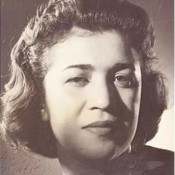
Parvīn Dawlatābādī: The Poet of the Literary Elite
Figure 1. Photo of the young Parvīn Dawlatābādī (Courtesy of Shīvā Dawlatābādī, taken February 7, 1955 in Paris). The Life and Works of Dawlatābādī1“Originally written in Persian, this article is translated by the editorial team…
April 6, 2026
|
35 min read
|
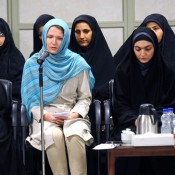
Women Poets and the Assertion of Agency in the Supreme Leader’s Annual Poetry Reading Nights
“There is perhaps a tendency to romanticize resistance,” writes Lila Abu-Lughod——in her influential article “The Romance of Resistance: Tracing Transformations of Power through Bedouin Women.”1Lila Abu-Lughod, “The Romance of Resistance: Tracing Transformations of Power through…
May 3, 2026
|
23 min read
|

Parvīn Iꜥtisāmī, A Major Persian Poet for All Time
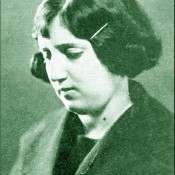
Parvīn Iʿtisāmī, along with Īraj Mīrzā and Poet-Laureate Bahār, was the most prominent poet of early twentieth-century Iran, the form of whose poems was generally in the neoclassical style. And along with the latter two,…
May 3, 2026
|
24 min read
|

Parvīn Iʿtisāmī’s Eloquent Response to Patriarchy*
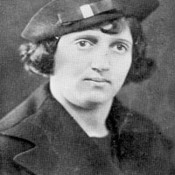
Parvīn Iʿtisāmī’s Dīvān contains a short poem in which she explicitly states that “Parvīn is not a man”: The heart must be kept polished from the dust of futile thoughts so that the demon knows…
April 6, 2026
|
13 min read
|


Tazkirahs of Premodern Women Poets
The ancient Iranian king Bahrām Gūr, hero of Nizāmī’s romance, Haft paykar, was considered to be the first Persian poet with one extant verse to his name. This tidbit of information was mentioned by ꜥAwfī,…
April 30, 2026
|
17 min read
|

Zhālah Qāʾim Maqāmī and the Functions of Poetry*
This article engages with a few aspects of one of Persia’s best women poets, Zhālah Qāʾim Maqāmī (1262–1326/1883–1946), who uses poetry not for the expected usual reasons such as invoking lyricism, descriptions of nature, or…
May 1, 2026
|
15 min read
|

Childhood in Afsānah Shaʿbānʹnizhād’s Poetry: Insights from an Iranian Woman Poet of Children’s Literature
Introduction Childhood, as a sociocultural construct, is shaped by various discourses, with children’s literature, including poetry, playing a pivotal role in both reflecting and shaping this concept. Within Iranian children’s and young adult literature, Afsānah…
October 7, 2025
|
32 min read
|


Shahnāz Aʿlāmī
Introduction The question mark after Aʿlāmī’s date of birth might seem strange given the fact she lived until as recently as 2003; but in an interview granted to and recorded by Hamīd Ahmadī as part…
April 6, 2026
|
16 min read
|

Furūgh Farrukhʹzād
In mid-1356/1977, as unrest in Iran was percolating that would lead to the Iranian Revolution of 1357/1978 and the establishment of the Islamic Republic of Iran in early 1358/1979, a collection of essays and translations…
April 6, 2026
|
46 min read
|


Of the Sins of Furūgh Farrukhʹzād
“Sin” (Gunāh) is probably the most well-known poem of Furūgh Farrukhʹzād, though it is not one of her best, even in comparison with most of the poems before the period of Tavalludī dīgar (Another birth/Rebirth)….
April 29, 2026
|
19 min read
|
A
- Afghan Women Poets in the Digital Age
- Anecdotes about Mihrī Hiravī in the Tazkira Tradition With Poems Newly Attributed To Her
- Ashraf Mishkātī: The Love-Stricken Poet of Gilan
- Azerbaijani Women Poets
- A Gadamerian Approach to the Hermetic Poetry of Fīrūzah Mīzānī and Parīmāh Aʿvānī
- A Lady Without Passport: Rābiʿah among the Islamic Republics
- A Look at the Lover’s Face in the Epic Poems of Hayrān Dunbulī
- A Private Journey Under the Red Shadow of an Umbrella: A Reading of Tāhirah Saffārʹzādah’s Poems from the Perspective of Dominance Approach
B
C
- Celestial Crossings: Literary Reception of Tāhirah Qurrat al-ʿAyn in the Indian Subcontinent
- Childhood in Afsānah Shaʿbānʹnizhād’s Poetry: Insights from an Iranian Woman Poet of Children’s Literature
- Comparative Women’s Poetry of Iran and Latin America
- Context and Concept: Early 20th Century Women Poets
D
E
F
- Farangīs Shantīʾā
- Farzānah Khujandī
- Fasl-i Bahār Khānum
- Female Identity and Poetry
- Female Poetics in Classical Persian Literature
- Female Poets of Mughal Court
- Feminine Aspects of Modern Persian Poetics
- Feminine Intervention: Early Qajar Women Poets
- Feminine Qalandar in Persian Poetry
- Feminine Voice in Classical Persian Poetry
- Feminist Poetics
- Fiction Writer Women Poets
- Form, Music, and Femininity: The Concerto Model as an Interpretive Framework for Fīrūzah Mīzānī’s Poetry
- From Boldness to Restraint: The Waning Audacity in the Poetry of Munīr Tāhā
- Furūgh Farrukhʹzād
H
I
J
K
L
M
- Madīna Gülgün
- Mahsatī Ganjavī’s Quatrains: Authenticity, Attribution, and New Discoveries
- Mahīnʹdukht Muʿtamidī: A Torchbearer of Classical Poetry in the Contemporary Era
- Mahʹkāmah Muhassis Lāhijānī
- Maryam Sāvujī
- Medieval Women Poets of Iran
- Mihrī Hiravī, an Audacious Poet in the Age of Veiled Speech
- Mihrī Hiravī; An Audacious Poet in the Age of Discretion
- Modern Poetic Expressions
- Mughal Female Poets
- Munīrah Taha: The First Female Lyricist
- Mānā Āqāyī: The Poet of Ideas
N
- Narrative as a Rhetorical Device in Līmah Āfshīd’s “The Old Woman”
- Nayyirah Saʿīdī, a Poet in Search of Women’s Rights
- Networking Women Poets: Connecting Furūgh Farrukhʹzād and Adrienne Rich
- Nūr Arfā
- Nūr Jahān Baygum (1577–1645), Queen of India, Poet of the Sixteenth and Seventeenth Centuries
- Nūrī Sayyārah Gīlānī (Nūr Arfaʿ 1286–1353/1907–1974)
O
P
- Pahlavi Women Poets
- Pakistani Women Poets Writing in Persian
- Parvīn Dawlatābādī: The Poet of the Literary Elite
- Parvīn Dawlatʹābādī, the Poet of Childhood Innocence
- Parvīn Iʿtisāmī and Women’s Rights?
- Parvīn Iʿtisāmī’s Eloquent Response to Patriarchy*
- Parvīn Iꜥtisāmī, A Major Persian Poet for All Time
- Parī Khān Khānum
- Persianate Jewish Women Poets
- Persian Mystic Women Poets
- Poetic Elements in the Works of Badrī Tundarī
- Politics of Gender and Desire in the Persian Qasīdah
- Polyphony in the Poetry of Rawyā Taftī
- Post-Revolution Iranian Women Poets
- Post-Revolution Poetry in Iran
- Public Reforms, Private Struggles: The Poetry and Activism of Malakah Iʿtizādī
R
S
T
- Tajik Women Poets
- Tazkirahs of Premodern Women Poets
- Theory of Structure and Form in Persian Female Poetry
- The Feminine Poetic Style
- The Feminine, the Political, and the Linguistic in the Poetry of Sipīdah Judayrī
- The Gender of Poetry
- The History of Women’s Poetry: From the Beginnings to the Present
- The Image of the Beloved in Hayrān Khānum Dunbulī’s Epic Poetry
- The Influence of Persian Novels on Iranian Women’s Poetry
- The Life and Poetry of Gulrukhsor Safieva: A Quest for Tajik Identity
- The Love Poetry of Mīnā Asadī
- The Necessity of Re-Editing Jahān Malik Khātūn’s Dīvān
- The Overlap of Life and Death in Shahīn Hannānah’s Poetry
- The Rhetoric of Loneliness and Its Manifestations in Shahrʹbānū Baygum’s Safarʹnāmah-ʾi hajj
- The Social Poetry of Mīnā Asadī
- The Unsung Poetry of Kurdish Women
- Tāhirah Saffārʹzādah’s Tanīn dar diltā and the Avant-Garde Poetry in Persian Literature
U
W
- Women and Conceptual Metaphors in the Poetry of Humayrā Nakhat Dastgīrʹzādah
- Women Poets and Ideology
- Women Poets and Persian Literary Canon
- Women Poets and the Assertion of Agency in the Supreme Leader’s Annual Poetry Reading Nights
- Women Poets and the Tūdah Party
- Women Poets of Kerman 1 (Classical/ Early Modern)
- Women Poets of Kerman: Part One – From the 7th/13th to the 13th/19th Century AH/CE
- Women Poets of Sabk-i Hindī
- Women Poets of the Constitutional Era
- Women Poets of the Iranian Revolution
- Women Poets of the Iran-Iraq War
- Women’s Poetry and Ecofeminism
- Women’s Poetry of the Late Pahlavi Era
- Writing at the Edge: Life, Love, and Death in Shahīn Hannānah’s Poetry
Z
- Zhālah Isfahānī, Iranian Poet, Scholar, and Activist
- Zhālah Qāʾim Maqāmī and the Functions of Poetry*
- Zhālah Qāʾim Maqāmī, Composing Poetry without an Audience
- Zhīlā Musāʿid: Poetry at the Crossroads of Myth and Modernity
- Zi Khi Shīn in/as Persian Letters
- Zīb al-Nisāʾ Makhfī’s Ambitious Lyric Voice: “Conquering the Realm of Verse, with Ease”