
Title
Auhtor

Form, Music, and Femininity: The Concerto Model as an Interpretive Framework for Fīrūzah Mīzānī’s Poetry
Fīrūzah Mīzānī: Life and Work Fīrūzah Mīzānī, born on Āzar 21, 1329/December 12, 1950, in Tehran, is a contemporary Iranian poet, journalist, writer, and translator. Mīzānī holds a degree in Management from the University of…
September 16, 2026
|
21 min read
|


“A Leaf, a Star”: Marvā Nabīlī’s Poetic Quest for Life and Immortality
Introduction This article explores the life and work of Marvā Nabīlī, an overlooked yet significant figure in modern Iranian art, cinema, and poetry. Known for her deeply personal and feminist voice, Nabīlī moved fluidly between…
June 30, 2026
|
16 min read
|

Ashraf Mishkātī: The Love-Stricken Poet of Gilan
The Constitutional Revolution marked the beginning of a new awakening across Iran, especially in Gilan. One of the most profound impacts of this political, social, and intellectual movement was the active participation of women in…
June 30, 2026
|
32 min read
|
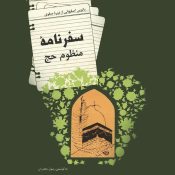
The Rhetoric of Loneliness and Its Manifestations in Shahrʹbānū Baygum’s Safarʹnāmah-ʾi hajj
Introduction This article examines the Safarʹnāmah-ʾi hajj, a unique pilgrimage travelogue composed in verse by Shahrʹbānū Baygum, wife of the Safavid court official Mīrzā Khalīl.1While the name Shahrʹbānū Baygum is not securely attested in any…
June 30, 2026
|
23 min read
|

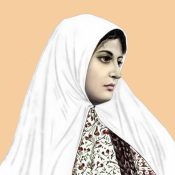
Celestial Crossings: Literary Reception of Tāhirah Qurrat al-ʿAyn in the Indian Subcontinent
Introduction In the history of Persian poetry, there are few women poets, and even fewer known for their conviction of “heresy,” who have left as indelible a mark as Fātimah Baraghānī, famously known as Tāhirah…
July 1, 2026
|
26 min read
|


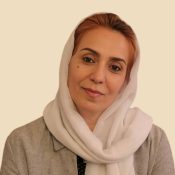
Polyphony in the Poetry of Rawyā Taftī
Introduction Rawyā Taftī [Roya Tafti] is one of the most distinctive voices in contemporary Iranian poetry, emerging from the postmodern literary scene of the 1370s/1990s alongside poets influenced by Rizā Barāhanī and the “Language Poetry…
July 1, 2026
|
37 min read
|


Tāhirah Saffārʹzādah’s Tanīn dar diltā and the Avant-Garde Poetry in Persian Literature
Introduction Tāhirah Saffārʹzādah (1938–2008) stands as a distinctive and transformative figure in modern Persian literature. Known for her revolutionary and religious poetry, she has often been categorized as a poet of ideology and resistance. Yet…
July 3, 2026
|
24 min read
|

Public Reforms, Private Struggles: The Poetry and Activism of Malakah Iʿtizādī
Malakah Iʿtizādī (1306–1367/1928–1989),1She was born to Muhammad Bāqir Iʿtizādī, also known as Afkhām al-Saltanah. Her mother’s name was Aqdas al-Muluk Amīr Yaʿqūbī. Uvays, Ilāhah and Parniyān were her siblings. Also, in the endnotes added to…
July 3, 2026
|
22 min read
|


Mahsatī Ganjavī’s Quatrains: Authenticity, Attribution, and New Discoveries
Introduction There is no definitive information regarding the birth and death dates of Mahsatī Ganjavī. ʿAwfī’s Lubāb al-albāb (The quintessence of hearts), the earliest anthology (tazkirah) of Persian poets, makes no mention her, nor of…
July 9, 2026
|
36 min read
|


Ruzā Jamālī’s Innovations in Contemporary Persian Poetry
Introduction Over the past century, modern Iranian poetry has witnessed various poetic movements, some of which were short-lived and gave way to other poetic trends. A significant distinguishing feature of modern Persian poetry, in contrast…
July 9, 2026
|
28 min read
|


Beneath the Veil and Crown: The Poetry of Pādshāh Khātūn
Introduction The Mongol invasion of Iran in the thirteenth century brought an end to the rule of the Khwarazmian dynasty, the central government of the time. Insecurity, famine, and widespread massacre engulfed the entire country. However,…
July 10, 2026
|
32 min read
|

Voices of Transformation: Women’s Poetry of the 1990s and 2000s
Introduction The historical dominance of patriarchy in Iran has long marginalized women poets, contributing to the exclusion of many from the classical literary canon. However, with the growing advocacy for modernism from the late Qajar…
July 10, 2026
|
16 min read
|


Qudsiyah Ihtishāmī
Qudsiyah Ihtishāmī, born Habībah Baygum (AH 1320–1402/1288–1360/1902–1981), was the daughter of a certain ʿAlī Muhammad. While information about her early life and family remains scarce, her husband, ʿAlī Akbar Ihtishāmī, has a more extensively documented…
July 28, 2026
|
31 min read
|

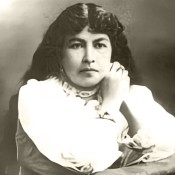
Shams Jahān [Shamsī] Kasmāʾī Yazdī
Introduction Shams Kasmāʾī is a prominent figure in contemporary Persian poetry; however, her poetic language and thought have not received considerable attention, for various reasons. Although her ancestry can be traced back to Gilan and…
July 28, 2026
|
27 min read
|

The Feminine, the Political, and the Linguistic in the Poetry of Sipīdah Judayrī
Sipīdah Judayrī (b. 1355/1976) is an Iranian poet, literary critic, and translator whose body of work includes eight poetry collections, a short story collection, and an anthology of her poems. This entry offers a contextualizing…

Zhīlā Musāʿid: Poetry at the Crossroads of Myth and Modernity
Figure 1: Zhīlā Musāʿid in her early forties, in Mīrzā Āqā ʿAskarī, “Rābitahʹam bā jahān az tarīq-i kalamāt ast” [My relationship with the world is through words], Muhājir 8, no. 70 (Ābān 1370/ November 1991):…
July 30, 2026
|
14 min read
|
Zhālah Qāʾim Maqāmī, Composing Poetry without an Audience
Zhālah Qāʾim-Maqāmī and the Omission of the Audience in Favour of Feminine Poetry ʿĀlam Tāj Qāʾim Maqāmī, who wrote under the penname “Zhālah,” is one of the most important contemporary women poets, and arguably the…
July 31, 2026
|
37 min read
|
“Fakhr ʿUzma Arghūn: Poet, Journalist, and Advocate for Women in Modern Iran”
Fakhr ʿUzmā Arghūn (1277–1345/1898–1966) was a pioneering poet, journalist, and activist dedicated to advancing the status of women and expanding their roles in society. Her work focused primarily on the socio-political progress of Iran, with…
August 24, 2026
|
49 min read
|

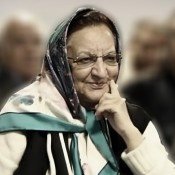
Reading (for) Dissent in Maymanat Mīrsādiqī’s Red Book of Poetry
Introduction Maymanat Zulqadr (Mīrsādiqī) (b. 1316/1937) is a prominent and well-known contemporary poet. For a period in her career, she published her poems under the pseudonyms ‘Āzādah’ and ‘Ānāhīt.’1The author wishes to express gratitude to…
September 5, 2026
|
35 min read
|

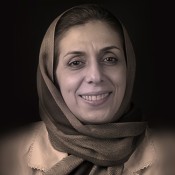
Shukūh Qāsimniyā’s Poetry in the Geography of Iranian Cultural Memory
Introduction Shukūh Qāsimniyā, whose original name is Fātimah Hamadānī Qāsimniyā, is an Iranian author of children’s fiction and poetry who has been actively engaged in a wide range of creative endeavours, including poetry, fiction, adaptations…
September 5, 2026
|
35 min read
|


A Gadamerian Approach to the Hermetic Poetry of Fīrūzah Mīzānī and Parīmāh Aʿvānī
I am what is around me. Women understand this. Wallace Stevens, “Theory” 1917 Introduction In the reading of hermetic texts, two streams emerge roughly in parallel: hermetic…
April 6, 2026
|
21 min read
|

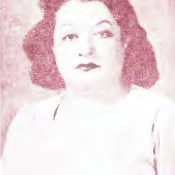
Nūrī Sayyārah Gīlānī (Nūr Arfaʿ 1286–1353/1907–1974)
Introduction Nūrī Sayyārah Gīlānī (1286–1353/1907–1974) was a relatively little-known poet in the Iranian intellectual and literary sphere. Two principal factors have contributed to the limited attention her works have received: first, her poems were not…
July 28, 2026
|
16 min read
|
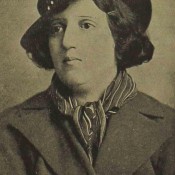
Parvīn Iʿtisāmī and Women’s Rights?
Introduction In the realm of feminist Persian poetry, certain names are frequently encountered, including Tāhirah Qurrat al-ʿAyn (AH 1230–1268/1817–1852), Zandukht Shīrāzī (1288–1331/1909–1953), Sīmīn Bihbahānī (1306–1393/1927–2014), Furūgh Farrukh′zād (1313–1345/1934–1967), and, more recently, Zhālah ʿĀlamtāj Qāʾim Maqāmī…
April 6, 2026
|
18 min read
|

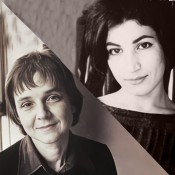
Networking Women Poets: Connecting Furūgh Farrukhʹzād and Adrienne Rich
Introduction During the 1960s and 1970s, female poets relied heavily on translation to establish connections with one another. The primary objective of the first and second-wave feminism in translation was to articulate connections between female…
April 6, 2026
|
27 min read
|
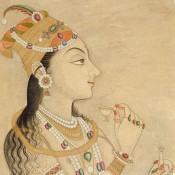
Nūr Jahān Baygum (1577–1645), Queen of India, Poet of the Sixteenth and Seventeenth Centuries
Nūr Jahān Baygum was one of the beloved and powerful wives of Nūr al-Dīn Jahāngīr (1569–1627), the Mughal emperor of India, and the first lady of his harem. Her date of birth is recorded as…
April 6, 2026
|
16 min read
|

A
- Afghan Women Poets in the Digital Age
- Anecdotes about Mihrī Hiravī in the Tazkira Tradition With Poems Newly Attributed To Her
- Ashraf Mishkātī: The Love-Stricken Poet of Gilan
- Azerbaijani Women Poets
- A Gadamerian Approach to the Hermetic Poetry of Fīrūzah Mīzānī and Parīmāh Aʿvānī
- A Lady Without Passport: Rābiʿah among the Islamic Republics
- A Look at the Lover’s Face in the Epic Poems of Hayrān Dunbulī
- A Private Journey Under the Red Shadow of an Umbrella: A Reading of Tāhirah Saffārʹzādah’s Poems from the Perspective of Dominance Approach
B
C
- Celestial Crossings: Literary Reception of Tāhirah Qurrat al-ʿAyn in the Indian Subcontinent
- Childhood in Afsānah Shaʿbānʹnizhād’s Poetry: Insights from an Iranian Woman Poet of Children’s Literature
- Comparative Women’s Poetry of Iran and Latin America
- Context and Concept: Early 20th Century Women Poets
D
E
F
- Farangīs Shantīʾā
- Farzānah Khujandī
- Fasl-i Bahār Khānum
- Female Identity and Poetry
- Female Poetics in Classical Persian Literature
- Female Poets of Mughal Court
- Feminine Aspects of Modern Persian Poetics
- Feminine Intervention: Early Qajar Women Poets
- Feminine Qalandar in Persian Poetry
- Feminine Voice in Classical Persian Poetry
- Feminist Poetics
- Fiction Writer Women Poets
- Form, Music, and Femininity: The Concerto Model as an Interpretive Framework for Fīrūzah Mīzānī’s Poetry
- From Boldness to Restraint: The Waning Audacity in the Poetry of Munīr Tāhā
- Furūgh Farrukhʹzād
H
I
J
K
L
M
- Madīna Gülgün
- Mahsatī Ganjavī’s Quatrains: Authenticity, Attribution, and New Discoveries
- Mahīnʹdukht Muʿtamidī: A Torchbearer of Classical Poetry in the Contemporary Era
- Mahʹkāmah Muhassis Lāhijānī
- Maryam Sāvujī
- Medieval Women Poets of Iran
- Mihrī Hiravī, an Audacious Poet in the Age of Veiled Speech
- Mihrī Hiravī; An Audacious Poet in the Age of Discretion
- Modern Poetic Expressions
- Mughal Female Poets
- Munīrah Taha: The First Female Lyricist
- Mānā Āqāyī: The Poet of Ideas
N
- Narrative as a Rhetorical Device in Līmah Āfshīd’s “The Old Woman”
- Nayyirah Saʿīdī, a Poet in Search of Women’s Rights
- Networking Women Poets: Connecting Furūgh Farrukhʹzād and Adrienne Rich
- Nūr Arfā
- Nūr Jahān Baygum (1577–1645), Queen of India, Poet of the Sixteenth and Seventeenth Centuries
- Nūrī Sayyārah Gīlānī (Nūr Arfaʿ 1286–1353/1907–1974)
O
P
- Pahlavi Women Poets
- Pakistani Women Poets Writing in Persian
- Parvīn Dawlatābādī: The Poet of the Literary Elite
- Parvīn Dawlatʹābādī, the Poet of Childhood Innocence
- Parvīn Iʿtisāmī and Women’s Rights?
- Parvīn Iʿtisāmī’s Eloquent Response to Patriarchy*
- Parvīn Iꜥtisāmī, A Major Persian Poet for All Time
- Parī Khān Khānum
- Persianate Jewish Women Poets
- Persian Mystic Women Poets
- Poetic Elements in the Works of Badrī Tundarī
- Politics of Gender and Desire in the Persian Qasīdah
- Polyphony in the Poetry of Rawyā Taftī
- Post-Revolution Iranian Women Poets
- Post-Revolution Poetry in Iran
- Public Reforms, Private Struggles: The Poetry and Activism of Malakah Iʿtizādī
R
S
T
- Tajik Women Poets
- Tazkirahs of Premodern Women Poets
- Theory of Structure and Form in Persian Female Poetry
- The Feminine Poetic Style
- The Feminine, the Political, and the Linguistic in the Poetry of Sipīdah Judayrī
- The Gender of Poetry
- The History of Women’s Poetry: From the Beginnings to the Present
- The Image of the Beloved in Hayrān Khānum Dunbulī’s Epic Poetry
- The Influence of Persian Novels on Iranian Women’s Poetry
- The Life and Poetry of Gulrukhsor Safieva: A Quest for Tajik Identity
- The Love Poetry of Mīnā Asadī
- The Necessity of Re-Editing Jahān Malik Khātūn’s Dīvān
- The Overlap of Life and Death in Shahīn Hannānah’s Poetry
- The Rhetoric of Loneliness and Its Manifestations in Shahrʹbānū Baygum’s Safarʹnāmah-ʾi hajj
- The Social Poetry of Mīnā Asadī
- The Unsung Poetry of Kurdish Women
- Tāhirah Saffārʹzādah’s Tanīn dar diltā and the Avant-Garde Poetry in Persian Literature
U
W
- Women and Conceptual Metaphors in the Poetry of Humayrā Nakhat Dastgīrʹzādah
- Women Poets and Ideology
- Women Poets and Persian Literary Canon
- Women Poets and the Assertion of Agency in the Supreme Leader’s Annual Poetry Reading Nights
- Women Poets and the Tūdah Party
- Women Poets of Kerman 1 (Classical/ Early Modern)
- Women Poets of Kerman: Part One – From the 7th/13th to the 13th/19th Century AH/CE
- Women Poets of Sabk-i Hindī
- Women Poets of the Constitutional Era
- Women Poets of the Iranian Revolution
- Women Poets of the Iran-Iraq War
- Women’s Poetry and Ecofeminism
- Women’s Poetry of the Late Pahlavi Era
- Writing at the Edge: Life, Love, and Death in Shahīn Hannānah’s Poetry
Z
- Zhālah Isfahānī, Iranian Poet, Scholar, and Activist
- Zhālah Qāʾim Maqāmī and the Functions of Poetry*
- Zhālah Qāʾim Maqāmī, Composing Poetry without an Audience
- Zhīlā Musāʿid: Poetry at the Crossroads of Myth and Modernity
- Zi Khi Shīn in/as Persian Letters
- Zīb al-Nisāʾ Makhfī’s Ambitious Lyric Voice: “Conquering the Realm of Verse, with Ease”