
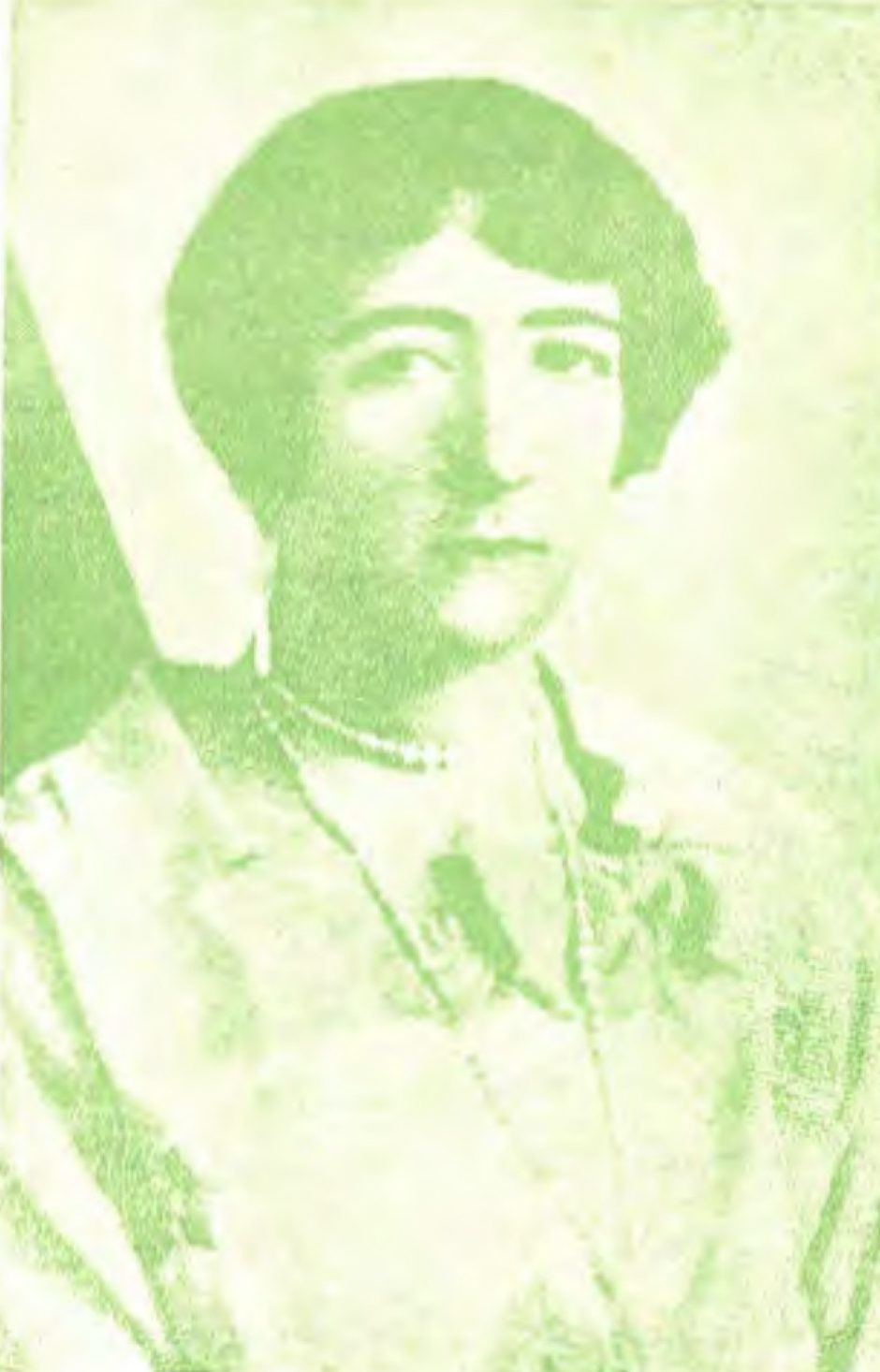
In Defence of Fasl-i Bahār Khānum: Refuting an Accusation of Plagiarism



Even though Fasl-i Bahār Khānum was a descendant of the Qajars, she did not make it into contemporary historiographical works. None of the following tazkirahs dating to the period, which were written when she was still alive, mention her name: Anjuman-i Nāsirī (AH 1288/1871), Al-maʾāsir va al-āsār (1306/1927), Khayrāt-i hisān (AH 1307/1889), Tazkirah-ʾi shuʿāʿiyah (AH 1320/1902), Hadiqah-ʾi ʿishrat (AH 1311/1894), Ūymāq-i Mughūl (AH 1319/1902), Rayhānah al-adab (AH 1333/1915), Muntakhab al-fusahā (AH 1333/1915), Nigāristān-i Fārs (AH 1340/1922), Madīnat al-adab (c. AH 1353/1934), Rijāl-i ʿasr-i Nāsirī (1334/1951).1Mīrzā Ibrāhīm Madāyahʹnigār Tafrishī, Tazkirah-ʾi Anjuman-i Nāsirī bih hamrāh-i Tazkirah-ʾi Majdiyah, intr. Īraj Afshār (Tehran: Bābak, 1363/1984); Muhammad Hassan Khān, Al-maʾāsir va al-āsār (2nd repr. ed., Tehran: Asātīr, 1374/1995); Muhammad Hassan Khān, Khayrāt-i hisān [The beautiful virtues], MS 51538, Duktur Qāsim Ghanī Collection, Kitābʹkhānah-ʾi Majlis-i Shawrā-yi Millī, Tehran; Muhammadʹhussayn Shuʿāʿ Shīrāzī, Tazkirah-ʾi Shuʿāʿīyah [Shuʿā’s biographical anthology], ed. Mahmūd Tāvūsī (Shiraz: Bunyād-i Fārsʹshināsī, 1380/2001); Durgā Parshād Mihr, Hadiqah-ʾi ʿishrat [The garden of delight] (Lucknow: Matbaʿ-i Dabdab-e Ahmadī, AH 1315/1898); Muhammad ʿAbd al-Qādir Khān [Mīrzā Muhammad Āghāʹjān], Ūymāq-i Mughūl (Amritsar: Rūz-i Bārān, AH 1319/1902); Muhammad ʿAlī Mudarris Tabrīzī, Rayhānah al-adab fī tarājum: al-Maʿrūfīn bi-al-kunyah wa al-laqab [The sweet basil of literature: Biographies of figures known by honorifics and epithets] (3rd repr. ed., Tehran: Khayyām, 1369/1990); Rizāʹqulī Khān Hidāyat, Muntakhab al-fusahā [Selection of the eloquent], ed. Muzāhir Musafā (2nd repr. ed., Tehran: Amīr Kabīr, 1382/2003); Muhammad Hussayn Āzād, Nigāristān-i Fārs [An anthology of Fārs] (Lahore: Karimi, 1922); Muhammad ʿAlī Musāhibī Nāʾīnī [ʿIbrat], Madīnat al-adab [The city of adab] (Tehran: Mūzah va Markaz-i Asnād-i Majlis-i Shawrā-yi Islāmī, 1376/1998); Dūstʹʿalī Khān Muʿayyir al-Mamālik, Rijāl-i ʿasr-i Nāsirī (Tehran: Nashr-i Tārīkh-i Īrān, 1361/1982). Rijāl-i ʿasr-i Nāsirī was first published in a serialized form in Yaghmā roughly between 1334–1339/1951–1960. There is no trace of her even in the comprehensive and important volume of Al-zarīʿah.2Āqā Shaykh Buzurg Tihrānī, Al-zarīʿah ilā tasānīf al-Shīʿah (3rd repr. ed, Beirut: Dār al-Azvāʾ, AH 1403/1983). Similarly, existing scholarship on her has often been marked by negligence.3See, for example, ʿAlī Rizā Iqtidārī, “Fasl-i Bahār Khānum yā (Jannat Bahār Khānum/Jannat/Īrān al-Dawlah)” [Fasl-i Bahār Khānum or Jannat Bahār Khānum/Jannat/Īrān al-Dawlah], in Dāʾirat al-maʿārif-i zan-i Īrānī [Encyclopedia of Iranian women], ed. Mustafā Ijtihādī (1st ed., Tehran: Bunyād-i Dānishʹnāmah-ʾi Buzurg-i Fārsī, 1382/2003), 2:738.
Ibrāhīm Safāʾī Malāyirī, journalist and the author of Nihzat-i adabī-i Qājār (The literary movement of the Qajar era), contemporary to Fasl-i Bahār, curiously, despite being familiar with her works, holding her in high esteem, and even writing a critique of one her ghazals,4Ibrāhīm Safāʾī Malāyirī, “Sirqat yā iqtibās” [Theft or imitation], Armaghān 12, no. 5 (Murdād 1310/August 1931): 327–28. makes no mention of Fasl-i Bahār Khānum in his book either. This is despite Malāyirī’s assertion that even a brief list of Qajar poets would fill a substantial volume.5Ibrāhīm Safāʾī Malāyirī, Nihzat-i adabī-i Īrān dar ʿasr-i Qājār (2nd repr. ed., Tehran: Ibn Sīnā, n.d.), 5. Perhaps their contemporaneity was itself the reason for her omission.
A Look at the Life of Fasl-i Bahār Khānum (AH 1295–1359/1878–1940)
According to the account written by her son, her name was Fasl-i Bahār Khānum, her honorific title was Īrān al-Dawlah, and her penname (takhallus) was Jannat.6Fasl-i Bahār Khānum [Jannat, Īrān al-Dawlah], Bahār-i Jannat (Ashʿār), comp. by Allāhʹyār Davallū (1st ed., Tehran: Vahīd, 1356/1977), 4. The inscription on her gravestone—“Princess Fasl-i Bahār Khānum Farhādī (Īrān al-Dawlah) (Jannat)”—confirms this information.7Sayyid Sādiq Hussaynī Ashkvarī, “Sangʹhā-yi gūyā: Mutāliʿah-ʾi tatbīqī bar sang-i qabrʹhā-yi muʿāsir” [Speaking stones: A comparative study of contemporary gravestones], Payām-i Bahāristān 1, no. 4 (Summer 1388/2009): 939. Fasl-i Bahār Khānum was born in AH 1295/1878, although no source appears to mention her birthplace.8See Allāhʹyār Davallū, “Muqaddamah” [Introduction], in Jannat, Bahār-i Jannat, 4. Her father was Sultān Hussayn Mīrzā Nayyir al-Dawlah (d. AH 1326/1909), son of Parvīz Mīrzā Nayyir al-Dawlah (AH 1239–1305/1823–1887), the fifty-third son of Fath ʿAlī Shāh Qājār (AH 1183–1250/1769–1834).9Karīm Sulaymānī, Alqāb-i rijāl-i dawrah-ʾi Qājār [Titles of the statesmen of the Qajar period], introduction by Īraj Afshār (Tehran: Nay, 1379/2000), 207. Her father served as governor of Khorasan, a position he reportedly obtained through political maneuvering and patronage, prevalent at the time. He is described as greedy, corrupt, arrogant, and influential in the decision-making processes of the royal court.10Mahdī Bāmdād, Sharh-i hāl-i rijāl-i Īrān [Biographies of the notable Iranian figures] (Tehran: Zavvār, 1357/1978), 2:87–88.
Fasl-i Bahār Khānum’s mother was Sultān Khānum Shams al-Saltanah,11“Sultan Husayn Mirza Nayyir al-Dawlah,” Women’s Worlds in Qajar Iran, http://www.qajarwomen.org/en/people/2287.html. a granddaughter of Farhād Mīrzā Muʿtamad al-Dawlah (AH 1233–1305/1818–1887).12Davallū, “Muqaddamah,” 4. Her grandmother, Bībī Khānum Shams al-Saltanah (d. AH 1309/1891)13Sulaymānī, Alqāb-i rijāl-i dawrah-ʾi Qājār, 90. was the wife of Parvīz Mīrzā Nayyir al-Dawlah.14Muhammad ʿAlī Khān Sadīd al-Saltanah Mīnābī Bandarʹʿabbāsī, Safarʹnāmah-ʾi Sadīd al-Saltanah [Sadīd al-Saltanah’s travelogue], edited by Ahmad Iqtidārī (Tehran: Bihʹnashr, 1362/1383), 214. Muhammad Ishāq mistakenly identified Fasl-i Bahār Khānum as Farhād Mīrzā’s daughter,15Muhammad Ishāq, Sukhanʹvarān-i nāmī-i Īrān dar tārīkh-i muʿāsir [Notable poets of Iran in modern history] (2nd repr. ed., Tehran: Tulūʿ va Sīrūs, 1363/1984), 2:151. an error repeated by later writers, most probably, due to the fact that both her mother and grandmother bore the title ‘Shams al-Saltanah’.16Muhammad ʿAlī Kishāvarz Sadr, Az Rābiʿah tā Parvīn [From Rābiʿah to Parvīn] (Tehran: Kāvyān, 1334/1955), 95–96; ʿAlī Akbar Mushīr Salīmī, Zanān-i sukhanʹvar [Women orators] (Tehran: ʿIlmī, 1335/1956), 1:154; Banafshah Hijāzī, Tazkirah-ʾi andarūnī: Sharh-i ahvāl va shiʿr-i shāʿirān-i zan dar ʿasr-i Qājār tā Pahlavī [A biographical anthology of the women’s quarters: Biography and poetry of women poets in the Qajar and Pahlavi eras] (Tehran: Qasīdahʹsarā, 1382/2003), 170; Rūhʹangīz Karāchī, Andīshahʹnigārān-i zan dar shiʿr-i mashrūtah [Women intellectuals in Constitutional-era poetry] (Tehran: Dānishʹgāh-i al-Zahrā, 1374/1995), 102.
Fasl-i Bahār Khānum began her education with private tutors at home and acquired proficiency in various fields,17Davallū, “Muqaddamah,” 4. including French.18Pūrān Farrukhʹzād, Kārʹnamā-yi zanān-i kārā-yi Īrān az dīrūz tā imrūz [Catalogue of influential women of Iran] (2nd repr. ed., Tehran: Qatrah, 1381/2002), 132–33. Her poetry indicates that she was familiar with the works of major Persian poets, especially Saʿdī and Hāfiz. She also studied embroidery and music. Muhammad ʿAlī Kishāvarz Sadr states that she excelled among her contemporaries in playing the tār and the piano. She studied painting under Kamāl al-Mulk (1226–1319/1847–1940) and possessed a certificate from him. Some of her paintings have been seen in her children’s possession.19Kishāvarz Sadr, Az Rābiʿah tā Parvīn, 95–96. In 1920, she travelled to Europe to further her studies in painting.20Muhammad Bāqir Burqaʿī, Sukhanʹvarān-i nāmī-i muʿāsir-i Īrān [Famous poets of contemporary Iran] (Qom: Khurram, 1373/1994), 2593.
Mushīr Salīmī,21Mushīr Salīmī, Zanān-i sukhanʹvar, 1:155. followed by several later writers,22Mansūrah Pīrnīʾā, Sālār-i zanān-i Īrān [Pioneer women of Iran] (Rockville, Maryland: Mehr Iran, 1374/1995), 20; Fakhrī Qavīmī, Kārʹnāmah-ʾi zanān-i mashhūr-i Īrān: Az qabl az Islām tā ʿasr-i hāzir [Achievements of famous Iranian women: From the pre-Islamic period till today] (Tehran: Vizārat-i Āmūzish va Parvarish, 1352/1973), 94; Banafshah Hijāzī, Tazkirah-ʾi andarūnī, 172. attributed to her a book on cooking and household management; however, apart from its title, no reference to such a work has been found in the available sources.
At the age of thirteen, Fasl-i Bahār Khānum married Mustafā Qulī Khān Davallū, known as Hājib al-Dawlah,23Jannat, Bahār-i Jannat, 6. who is said to have had a refined literary taste and to have encouraged his wife’s poetic pursuits. Fasl-i Bahār Khānum has been regarded as one of the foremost poets of the Constitutional era.24Nasīm Dastgardī Vahīdʹzādah, “Adabiyāt dar ʿasr-i mashrūtiyat va buzurgtarīn gūyandigān-i īn ʿahd” [Literature in the Constitutional era and the greatest poets of this period], Armaghān 31, no. 10 (1341/1962): 433–40; Ruzā Qarāchurlū, “Barjastahʹtarīn zanān-i adīb va shāʿir-i Īrān dar dawrān-i mashrūtiyat (dar sālʹhā-yi 1285 tā 1304) va naqsh-i ānʹhā dar tahavvulāt-i ijtimāʿī-i Īrān” [The most prominent Iranian women writers and poets in the Constitutional period (1906–1925) and their role in Iran’s social transformations], Hāfiz 59 (1388/2009): 37–41. After a life of sixty-four years, she passed away in Tehran25Davallū, “Muqaddamah,” 4. on the first day of Ramadan AH 1359/1940.26Hussaynī Ashkvarī, “Sangʹhā-yi gūyā,” 939. In accordance with her will, she was buried beside the shrine of Hazrat Maʿsūmah in Qom.
Fasl-i Bahār Khānum’s Works
The most important surviving work of Fasl-i Bahār Khānum is her collected poems (dīvān). She published her poetry in the journals Gul-i Zard (Yellow flower), Vahīd, Īrān, and Armaghān (Gift). Later, her son, Allāhʹyār Davallū, compiled a collection of her poems under the title Bahār-i Jannat (The spring of paradise). The volume, comprising 166 pages and 978 verses, included poems in the forms of the ghazal, qitʿah, masnavī, musammat, and rubāʿī. This figure also includes verses by other poets incorporated through tazmīn and similar devices. Estimates of the total number of her verses vary considerably, ranging from one thousand27Ishāq, Sukhanʹvarān-i nāmī-i Īrān dar tārīkh-i muʿāsir, 2:152. to six thousand.28Kishāvarz Sadr, Az Rābiʿah tā Parvīn, 97; Qavīmī, Kārʹnāmah-ʾi zanān-i mashhūr-i Īrān, 94; Mahmūd Hidāyat, Gulzār-i jāvīdān [Eternal rose garden] (Tehran: Zībā, 1353/1974), 1:335; ʿAbd al-Rafīʿ Haqīqat, Farhang-i shāʿirān-i zabān-i Fārsī [Dictionary of Persian poets] (Tehran: Shirkat-i Muʾallifān va Mutarjimān-i Īrān, 1368/1989), 149.
There is little doubt that insufficient care was taken in the collection and publication of her poetry. While one of her quatrains appears twice in the dīvān in close succession with minor variations,29Jannat, Bahār-i Jannat, 160–61. others attributed to her in different publications are not included in her collected works.30Ishāq, Sukhanʹvarān-i nāmī-i Īrān dar tārīkh-i muʿāsir, 157; Mushīr Salīmī, Zanān-i sukhanʹvar, 1:160–61. At the same time, her son, who compiled the volume, admits that he gathered her poems only to the extent possible, which might have resulted in omissions. One example for this is the following verse, which is frequently cited as evidence for the origin of her pen name:
ز طفلی اشکریزی بود کارم
از آن فصل بهارم خوانده مادر
Since childhood, weeping tears has been my occupation;
For that reason, my mother called me Fasl-i Bahār.31Davallū, “Muqaddamah,” 4–5.
In addition to her poetry, only a single short prose piece by Fasl-i Bahār Khānum is known, which was first published in Armaghān32Jannat, “Āsār-i nisvān, shiʿr-i nasr, ghazal [Agar bigūyam kih juz az ʿishq-i tū kāmam bādā]” [Works of women, poetry, prose, ghazal [If i were to say that my desire is for nothing but your love]], Armaghān 6 and 7 (Shahrīvar and Mihr 1302/September and October 1933): 322–23. and was later reprinted in other books.
The Main Themes of Her Poetry and Some Specificities of Its Diction
The principal themes of Fasl-i Bahār Khānum’s poetry, in order of prominence, are love, mysticism, and social concerns. The latter will be examined in a separate section, as they are most directly relevant to the central question of this article, namely plagiarism. Rūhʹangīz Karāchī describes the dominant theme of her poetry as an abstract, conventional, and repetitive type of love, detached from personal experience, oftentimes centering on a self-sacrificing, oppressed lover who is confronted with a cruel beloved.33Karāchī, Andīshahʹnigārān-i zan dar shiʿr-i mashrūtah, 104. While part of this assessment may be accepted, some of Fasl-i Bahār’s poems, such as the examples below, show a refined poetic sensibility:
سوی می بی لب میگون تو گر دست برم
خون دل در عوض باده به جامم بادا
If I stretch my hand toward wine without your ruby lips beside it,
May the blood of my heart fill my cup instead of wine.34Jannat, “Nāvak-i ʿishq” [Love’s arrow], in Bahār-i Jannat, 10.
سوزنی از مـــژه و رشته ز زلفت خواهم
تا مگر بخیه زنم سینه بدین چاکی را
…
برد دل از من و من بیخبر از خود یا رب
از کــه آموخته این دزدی و چالاکی را
I seek a needle from your eyelashes and thread from your tresses,
So that I may stitch together this torn breast.
…
He stole my heart, and I became unaware even of myself; O Lord,
From whom did he learn such theft and cleverness?35Jannat, “Bīʹkhabar” [Without news], in Bahār-i Jannat, 17.
شمع را بین که جفا کرد به پروانه چه دید
کن حذر زآه من ای گوهـر یکدانه ما
See what the candle gained from its cruelty toward the moth;
Beware of my sigh, O my unique pearl.36Jannat, “Nāmah-ʾi mastānah” [Intoxicated letter], in Bahār-i Jannat, 19.
چنان گسست دل از هم که چاره نتوان کرد
مگـر بـه رشته زلفی که احتیاج رفوست
My heart has been torn apart beyond repair,
Unless it be mended with a strand of that tress in need of darning.37Jannat, “Suhbat-i dūst” [The companion of the beloved], in Bahār-i Jannat, 24.
از برای یک دو روزی خنـده در دور سپهر
اشک چشمم را ببین از دجله تا دریا گذشت
For the fleeting laughter of the revolving heavens,
Behold my tears, flowing from the Tigris to the sea.38Jannat, “Jūr-i sipihr” [The cruelty of heaven], in Bahār-i Jannat, 29.
جان بخشی عیسی بر عشــاق فسانه است
غیر از لب جانبخش تو عیسی نفسی نیست
Jesus’ life-giving breath is but a tale for lovers;
Other than your life-bestowing lips, there is no breath of Jesus.39Jannat, “Faryādʹras” [The rescuer], in Bahār-i Jannat, 36.
وقت مرگم بـه سـر ای دوست طبیبـانه بیا
تا ز خاطـر ببـــری معجــز عیسایی را
Come to my bedside at death, my friend, like a physician,
So that you may erase from memory the miracle of Jesus.40Jannat, “Qudrat-i ʿishq” [The power of love], in Bahār-i Jannat, 16.
از چیست نشــد همنفسم یک نفسی کس
من هیچکسـم یا کـه به جز من بشری نیست
Why has no one become my companion, not even for a moment?
Am I no one, or is there no human being besides myself?41Jannat, “Khūn-i jigar” [The heart’s blood], in Bahār-i Jannat, 32.
Apart from such examples, many of her other poetic subjects indeed tend to follow classical conventions and at times come across as repetitive.
Fasl-i Bahār Khānum’s mystical poems likewise do not appear to arise from personal spiritual experience, but rather, Sufi themes entered her verse due to her interest in mystical concepts and her familiarity with earlier poetic traditions. Approximately twenty mystical ghazals can be found in her dīvān, all of which, including the one below, largely repeat notions common in previous periods:
تا ز کف بُــــرد دل آن دلبر جانانه ما
سوخت از آتش غم این دل دیوانه ما
از غمش خانه دل کلبه ویـران کــردم
او چـــو خورشید نتابید به ویرانه ما
…
باده وصل به جام دگران ریخت ز مهر
خون دل داد چـو شد نوبت پیمانه ما
Since that enchanting beloved stole away my heart,
This mad heart of mine has burned in the fire of grief.
From sorrow for him I turned the house of my heart into a ruined hut,
Yet he, like the sun, did not shine upon my ruin.
…
Out of affection, he poured the wine of union into others’ cups;
When the turn came to my goblet, he offered only heart’s blood.42Jannat, “Nāmah-ʾi mastānah” [Intoxicated letter], in Bahār-i Jannat, 19.
The rest of these ghazals similarly revolve around separation, longing, the beloved’s cruelty, and the desire for reunion.
Her poetry also features less common lexical choices and a generally less polished style that might sound amateurish to the reader in places. This includes the usage of adjectives instead of noun forms (shakībā in place of shakībāʾī for “patience”), or nouns instead of adverbs (kūrī instead of bih kūrī for “to blindness”); non-standard elongation of vowels or additional prefixes in verbal derivatives (shināvāʾī instead of shinavāʾī in its standard form, and bifurūkhtanī instead of furūkhtanī for “sellable”); colloquial forms of the possessive suffix (pāsh instead of pāyash for “his/her foot”) and mistakes in common collocations (yad-u bayzā instead of yad-i bayzā referring to Moses’ miracle of the hand).43Jannat, Bahār-i Jannat, 11, 12, 15, 38, 54, 21, and 121, respectively. These features may reflect the general characteristics of the Constitutional-era literary style. Indeed, one of the most immediately noticeable features of Constitutional-period literature is its marked simplicity and the closeness of its language to everyday speech.44Māshāʾ Allāh Ājūdānī, Yā marg yā tajaddud [Either death or modernism] (3rd repr. ed., Tehran: Akhtarān, 1385/2006), 147. The style of her poetry broadly follows the prevailing literary mode of the period—that of the Bāzgasht-i Adabī (Literary Return) movement—but not entirely. Although her poetry contains archaic and familiar words such as dayr (monastery), Kaʿba, kanisht (synagogue), and kilīsā (church),45See, for example, “Nigār-i tarsā,” in Jannat, Bahār-i Jannat, 11–12. it also incorporates significant stylistic features associated with Constitutional-era literature.
Fasl-i Bahār Khānum and the Refutation of Plagiarism Accusations
The central concern of this study is the accusations of plagiarism or literary theft levelled against Fasl-i Bahār Khānum. This accusation should not be read through a modern, anachronistic notion of plagiarism which might not readily reflect the emic notion of intihāl as a critical category with a continuous history in Persian and Arabic letters and is mostly focused on literature and poetry rather than other scholarly works.46In Persian scholarly and literary tradition, intihāl has always existed, and impacted many poets and authors. For instance, Anvarī (520/1126 – d. 585/1189) accused another poet of stealing two entire of his dīvāns of poetry. For more information on the concept, refer to Sayyad Hasan Islāmī, “Dah nuktah darbārah-ʾi sirqāt-i adabī” [Ten points on plagiarism], Kitāb-i māh-i adabiyāt 17, no. 5 (Urdībihisht 1393/May 2014): 54–58. Perhaps the reason for this was that poets in earlier periods largely earned their livelihood through the rewards their verses brought them, and poetry itself was a significant source of income. In classical criticism, intihāl is not conceived as a single offence but as a graded spectrum of appropriating other writers’ words or ideas, ranging from verbatim copying (intihāl proper, or naskh) to reworking another poet’s idea in new language (salkh) to independent convergence upon a shared expression (tavārud), which was not considered theft at all.47Jalāl al-Dīn Humāʾī, Funūn va sanāʿāt-i adabī (Tehran: Muʾassasah-ʾi Nashr-i Humā, 1370/1991), 358. It is against this native taxonomy, rather than a modern standard of originality, that the charges against Fasl-i Bahār Khānum are examined here, and it will be argued that, judged by her own tradition’s criteria, the charge does not hold.
Fasl-i Bahār Khānum’s reputation and reception have been plagued by the accusation, according to which she appropriated the poetry of Mīrzā ʿAlī Akbar Shaydā (AH 1259–1324/1843–1906).
To refute this, Fasl-i Bahār Khānum’s relationship with contemporary poets is explored in what follows. This relationship is significant as it reflects her active participation in poetic exchanges (mushāʿirah) with recognized peers of her time. This is in and of itself evidence of her genuine poetic ability, since a poet without real talent could scarcely have sustained such exchanges. And, more directly, examining her circle helps test the premise underlying the plagiarism charge itself, namely that Shaydā’s dīvān had gone missing and could be freely appropriated. On this latter point, it should be noted that none of the scholars who have written about Shaydā mention the loss of his dīvān.
But who was Mīrzā ʿAlī Akbar Shaydā? In a piece entitled “Tārīkh-i tasnīf sākhtan-i man” (The history of my song compositions), ʿĀrif Qazvīnī, without suggesting that Shaydā’s poems had disappeared, acknowledged Shaydā as his predecessor and wrote—sharing Rashīd Yāsimī’s sentiment—that Shaydā had introduced meaningful changes into the tasnīf, and his compositions had a pleasing melody.48Abū al-Qāsim ʿĀrif Qazvīnī, Dīvān-i ʿĀrif Qazvīnī [Collected works of ʿĀrif Qazvīnī], ed. by Mahdī Nūrʹmuhammadī (Tehran: Sukhan, 1389/2010), 249; Rashīd Yāsimī, Adabiyāt-i muʿāsir [Contemporary literature] (Tehran: Rawshanāʾī, 1316/1937), 103. Rūh Allāh Khāliqī also regarded him as the only significant composer of tasnīfs before ʿĀrif and mentioned that ʿĀrif consistently spoke of him with admiration.49Rūh Allāh Khāliqī, Sarʹguzasht-i mūsīqī-i Īrān [History of Iranian music] (8th repr. ed., Tehran: Safī ʿAlī Shāh, 1380/2001), 1:394. Repeating ʿĀrif’s observations, Yahyā Āryanʹpūr also presents Shaydā as the poet who systematized the tasnīf form.50Yahyā Āryanʹpūr, Az Sabā tā Nīmā (6th repr. ed., Tehran: Zavvār, 1375/1996), 2:159.
The source of the accusation appears to have been a note published by Ibrahīm Safāʾī Malāyirī in the journal Armaghān.51Safāʾī Malāyirī, “Sirqat yā iqtibās,” 327. In a short piece entitled “Sirqat yā iqtibās” (Theft or adaptation), he wrote:
“Dear editor, while reading the esteemed journal Armaghān, I came across a ghazal by the respected Īrān al-Dawlah Jannat, which begins:
In the curl of your tress my heart became one of the mad lovers;
Within that chain my heart has bled for a lifetime.
The second and third lines are the same… Since this matlaʿ [prelude, opening lines], together with the second and third bayts presented, belongs to one of the ghazals of the late Mīrzā ʿAlī Akbar Shaydā, the complete text of which is preserved in his dīvān, and since Mrs. Īrān al-Dawlah has published these three verses under her own name without any alteration, I shall reproduce Shaydā’s original ghazal below in order to correct the mistake. I should also note that … it is not permissible to appropriate three consecutive verses, especially from the opening of a poem, without naming the original poet. Such a procedure cannot properly be called adaptation; rather, it must be counted among poetic thefts (masrūqāt-i shiʿriyah)…”
After Shaydā’s ghazal, Safāʾī continued:
“Given the fluent style and sound poetic taste that we know Īrān al-Dawlah (Jannat) to possess, we cannot suppose deliberate theft on her part, nor is it appropriate to call this an adaptation. Perhaps some mistake has occurred, and she herself will no doubt provide a full explanation.”52Safāʾī Malāyirī, “Sirqat yā iqtibās,” 327–28.
Apparently, however, Fasl-i Bahār Khānum never responded to this criticism. A page-by-page examination of the issues of Armaghān from the same year, and to be thorough, the following year as well, reveals no reply from her. Given Fasl-i Bahār Khānum’s close relationship with the editor of Armaghān,53Davallū, “Muqaddamah,” 4. it is virtually impossible that she was unaware of the criticism, but she may instead have regarded the matter as entirely ordinary and felt no need to respond.
Fasl-i Bahār Khānum’s ghazal, “Hāsil-i dū jahān” [The rewards of the two worlds] consists of eight verses, of which the opening three belong to one of Shaydā’s most famous works.54This ghazal was first published in Armaghān 9, no. 10 (Day 1307/January 1929): 616, and was subsequently compiled into Fasl-i Bahār Khānum’s dīvān, see Jannat, Bahār-i Jannat, 111. It should be noted that Ruqayyah Farāhānī incorrectly cited the source of this poem in Ashʿār-i shāʿirān-i Qājārī dar nashriyyāt-i ān ʿasr [Poetry of Qajar-era poets in the periodicals of the period] (Tehran: Bunyād-i Mawqūfāt-i Afshār, 1403/2024), 2:901. It also attracted the attention of both several tazkirah writers and literary historians, including ʿIbrat Nāʾīnī’s Madīnat al-adab (The city of adab); ʿĀrif Qazvīnī’s Dīvān; and Yahyā Āryanʹpūr’s Az Sabā tā Nīmā.55ʿIbrat, Tazkirah-ʾi Madīnat al-adab, 3:139; Abū al-Qāsim ʿĀrif Qazvīnī, Dīvān-i ʿĀrif Qazvīnī (Tehran: Sukhan, 1389/2010), 250; Āryanʹpūr, Az Sabā tā Nīmā, 2:159. For other examples, see Ishāq, Sukhanʹvarān-i nāmī-i Īrān dar tārīkh-i muʿāsir, 156; Dīnʹshāh Jījī Bahāʾī Īrānī [Sulīstar], Poets of the Pahlavi regime (Bombay: n.p., 1933), 1:270; Sadr Kishāvarz, Az Rābiʿah tā Parvīn, 100; Mushīr Salīmī, Zanān-i sukhanʹvar, 1:157; Bāqir Burqaʿī, Sukhanʹvarān-i nāmī-i muʿāsir-i Īrān, 1012; Karāchī, Andīshahʹnigārān-i zan dar shiʿr-i mashrūtah, 106; Muhammad Hasan Rajabī, Mashāhīr-i zanān-i Īrānī va pārsīʹgū [Prominent Iranian and Persian-speaking women] (Tehran: Surūsh, 1374/1995), 63. The fame of Shaydā’s poem itself would have made any attempt at misappropriation highly unlikely, and this type of borrowing is, in any case, not unique within Fasl-i Bahār Khānum’s oeuvre. Rather than an act of concealment, this may be better understood as an instance of tazmīn, the established convention of incorporating another poet’s verses into one’s own composition. Of the ghazal’s eight verses, only the opening three belong to Shaydā and the remaining five, which are the greater part of the poem, are Fasl-i Bahār Khānum’s own composition, built around the borrowed matlaʿ. Similarly to the previous example, some writers56Ishāq, Sukhanʹvarān-i nāmī-i Īrān dar tārīkh-i muʿāsir, 156; Mushīr Salīmī, Zanān-i sukhanʹvar, 159; Majīd Shafaq, Shāʿirān-i Tihrān [Poets of Tehran] (Tehran: Sanāʾī, 1377/1998), 256; Najaf ʿAlī Muhājir, Farhangʹnāmah-ʾi zanān-i pārsīʹgū (Tehran: Awhadī, 1384/2005), 94. have quoted another ghazal in this regard, whose opening verses, with slight modification, were taken from Shams Tabrīzī’s collected works (Kulliyāt-i Shams-i Tabrīzī).57Ghazal 2377 in Mawlānā Jalāl al-Dīn Muhammad Mawlavī Rūmī, Kulliyāt-i Shams-i Tabrīzī, ed. Badīʿ al-Zamān Furūzānʹfar (14th repr. ed., Tehran: Amīr Kabīr, 1363/1984), 155. The ghazal, not included in her dīvān, begins as follows:
ای خداوند یکـی یـار جفاکـارش ده
دلبر سنگدلی سرکش و خونخوارش ده
O Lord, grant her a faithless beloved,
A stone-hearted, rebellious, bloodthirsty lover.
چند روزی ز پـی تجـربه بیمارش کن
با طبیبان جفاکــار ســر و کــــارش ده
For a few days, make her ill as an experiment,
And place her in the hands of cruel physicians.
تا بداند که شب و روز چسان میگذرد
دولت وصـل تــو در مجلس اغیارش ده
So that she may learn how day and night pass,
Grant the fortune of union with you to her rivals’ gathering.
Apart from these three lines, the remainder of the poem was composed by her. Years later, in 1333/1954, Kūrush Hāʾirī, who wrote an anthology on Persian women poets, also drew readers’ attention to both cases, though without accusing her of plagiarism.58Kūrush Hāʾirī, Tazkirah-ʾi zanān-i shāʿir-i muʿāsir-i Īrān [Biographical anthology of contemporary women poets of Iran] (n.p., [1333/1954]), 28. The evidence suggests not deliberate literary theft but rather the employment of a rhetorical device, iqtibās, practice of incorporating well-known verses from earlier poets into new compositions, which was not uncommon in Persian literary culture and was practiced without the ill intentions associated with the contemporary concept of plagiarism.
Due to the availability of Shaydā’s dīvān in 1310/1931 (the year Safāʾī Malāyirī wrote his article) and the widespread fame of the Kulliyāt-i Shams, deliberate plagiarism seems unlikely for the very reason that both sources were so accessible and well known. Appropriating verses so easily traceable to their original authors would have been an implausible strategy for someone seeking to pass them off as her own. Fasl-i Bahār Khānum may have deliberately drawn on these well-known verses as a mark of poetic skill, in the manner of tazmīn; or, given her evident familiarity with the poetry of Mawlānā and Shaydā, she came to regard these few verses as her own through tavārud, unconsciously absorbing verses she had long known as her own. Was it plagiarism, coincidence, or originality? It is difficult to assign a precise label, especially because such occurrences appear to have been relatively common at the time. Note, for example, Mīrzādah ʿIshqī’s following matlaʿ:
خاکم به ســر، ز غصه به ســر، خاک اگر کنم
خاک وطن که رفت، چه خاکی به سر کنم؟
Woe is me! If, in grief, I cast dust upon my head,
When the homeland is lost, what dust remains to cast upon it?59Mīrzādah ʿIshqī, Kulliyāt-i Musavvar, edited by ʿAlī Akbar Mushīr Salīmī (Tehran: Amīr Kabīr, 1350/1962), 377.
The poem—also imitated by Fasl-i Bahār Khānum in “Safarʹkardah” [Departed]60The first bayt of Jannat’s ghazal, “Safarʹkardah” reads: “Harʹgah zi dard-u dāgh-i vatan giryah sar kunam / Rūy-i zamīn zi khūn-i dil u dīdah tar kunam” [Whenever I begin to weep for the wounds and pains of the homeland, / I would flood the face of the earth with the blood of my heart and my eyes]. Jannat, Bahār-i Jannat, 94.—incorporated, without acknowledgement, two bayts by Saʿīd al-Dīn Hiravī (d. AH 741/1340),61Duktur Zabīh Allāh Safā, Tārīkh-i adabiyāt dar Īrān [History of literature in Iran] (7th repr. ed., Tehran: Firdaws, 1369/1990), 3:361. which had mistakenly been attributed to Hāfiz:
معشـــوق «عشقی» ای وطن، ای عشـــق پاک!
ای آنکه ذکر عشــق تو شام و سحر کنم:
Beloved of “ʿIshqī,” O homeland, O pure love!
You whose love I invoke morning and night.
«عشقت نه سرسری است که از سر به در شود»
«مهرت نه عارضی است که جای دگر کنم»
“Your love is not superficial, to leave my mind,”
“Nor is your affection transient, to be transferred elsewhere.”
«عشق تـــو در وجودم و مهـر تـــــو در دلم»
«با شیر اندرون شــد و با جان به در کنم»62The punctuation of the two bayts are as they appear in Kulliyāt-i ʿIshqī. It is not clear whether it reflects the original or whether the editors added the guillemet. Similarly, the author of the explanation in the footnote, which attributes these two bayts to Hāfiz, can be either the poet or the editor.
“Your love is in my being and your affection in my heart;”
“It entered with the milk and will depart only with my soul.”
Yet, the most offensive and unfounded accusations against Fasl-i Bahār Khānum and several other women poets were made later in 1356/1977 by Fazl Allāh Garakānī. He openly considered Fasl-i Bahār Khānum a thief of Shaydā’s poetry and, arguing that since all of Shaydā’s poems had been lost, whatever survived under Shaydā’s name was in fact to be found among Jannat’s compositions. He regarded women as lacking poetic talent and went on to attack several other women poets, including Fakhr al-Zamān Qudvah and her daughters Kayvānʹdukht and Parvīnʹdukht Salīlī, as well as Shamsī Gh., claiming that their poems too had been written by others.63Fazl Allāh Garakānī, Tuhmat-i shāʿirī [Allegation of plagiarism] (Tehran: Rawzanah, 1356/1977), 113. Garakānī wrote his book in an attempt to question the authorship of the poetry of Parvīn Iʿtisāmī (1285–1320/1906–1941) and considered attributing poetry to Parvīn an injustice to her.64Garakānī, Tuhmat-i shāʿirī, 136. Citing such absurd arguments as women’s supposedly simple vocabulary, their alleged inability to employ unfamiliar words (lughāt-i nāmānūs),65Garakānī, Tuhmat-i shāʿirī, 112–16. and even Parvīn’s supposed incapacity for housekeeping and domestic management, he portrayed her as devoid of poetic talent. Garakānī also emphasized Parvīn’s physical imperfections, describing her appearance as unattractive.66Garakānī, Tuhmat-i shāʿirī, 133–36. Thus, he not only denied that Parvīn was a poet but rejected the possibility that any woman could be one, believing that women’s only “art” was to turn men into artists.67Garakānī, Tuhmat-i shāʿirī, 119. In the end, he concluded that the author of Parvīn’s poems was a male poet, no other than ʿAllāmah Dihkhudā, using the pen name “Parvīn”.68Garakānī, Tuhmat-i shāʿirī, 123–25.
One of the most important arguments against the charge of plagiarism leveled at Fasl-i Bahār Khānum rests on Madīnat al-adab, the biographical anthology in which the largest surviving body of Shaydā’s poetry is preserved. Its importance for this argument lies in the fact that because it contains more of Shaydā’s verified verses than any other single source, it offers the most reliable basis for testing how much, if any, of Shaydā’s poetry actually overlaps with Fasl-i Bahār Khānum’s dīvān. A man named Safāʾ al-Haqq, in a letter to ʿIbrat Nāʾīnī, the compiler of Madīnat al-adab, recounts that in 1307/1928, while visiting the shrine of Imāmʹzādah Qāsim, he came across a jung (anthology) in which Shaydā had copied some of his poems for Darvīsh Hussayn Yazdī in AH 1319/1901, while other poems appeared in a different hand. Safāʾ al-Haqq transcribed these poems in full for ʿIbrat. They comprise twenty-eight poetic pieces totalling approximately 382 lines,69Nāʾīnī [ʿIbrat], Madīnat al-adab, 3:130–55. apart from the three disputed verses and one ghazal with the following matlaʿ:
در مذهب عشاق به جز دوست کسی نیست
اندر دو جهان جز کرمش دادرسی نیست70Nāʾīnī [ʿIbrat], Madīnat al-adab, 3:145.
In the creed of lovers there is none but the Beloved;
In both worlds there is no refuge but His grace.
This matlaʿ shares the same meter and rhyme scheme as the one below by Fasl-i Bahār Khānum’s:
ما را بجز از وصل تو در سر هوسی نیست
از طالع برگشته بــر آن دسترسی نیست71Jannat, “Faryādʹras,” Bahār-i Jannat, 36–37.
I have no other desire in mind than that of the union with you;
But my adverse fortune keeps it out of reach.
Since no other verses are shared between the works of these two poets, Fasl-i Bahār Khānum was evidently unaware of the existence of such a jung. Had she truly been stealing Shaydā’s poetry, one would expect not merely these few verses but at least a larger portion of those poems to appear in her dīvān. Further significant points emerge from Safāʾ al-Haqq’s account. He notes that the first hemistich of the seventh verse of a ghazal was missing in the original manuscript, and he copied it in its incomplete form with the hope that the correct version might be found in another copy.72Nāʾīnī [ʿIbrat], Madīnat al-adab, 3:136. This remark indicates that multiple manuscripts of Shaydā’s dīvān were in circulation. Moreover, Fasl-i Bahār Khānum’s own poems were first published individually in journals such as Armaghān, Vahīd, Īrān, and Gul-i Zard before her son later compiled them into a dīvān, and comparing the journal printings against the dīvān versions reveals small but consistent differences in wording. This pattern of revision is hard to reconcile with plagiarism simply because someone publishing stolen verses under her own name would have no reason to keep reworking them, whereas ongoing revision is itself a mark of genuine authorship.73For example, different versions of the below poems, which had first appeared in various Armaghān issues, were included in Bahār-i Jannat in 1356/1977: “Kunj-i qanāʿat,” Armaghān 2, no. 2 (Sawr 1301/December 1922): 76 and in Bahār-i Jannat, 91–92; Armaghān 4, no. 1 (Farvardīn 1302/April 1923): 50, Bahār-i Jannat, 69; “Hamdam-i asrār” [Companion of secrets], Armaghān 4, no. 1 (Farvardīn 1302/April 1923): 50 and in Bahār-i Jannat, 46–47; “Habb-i ʿAlī” [Love of ʿAlī], Armaghān 4, no. 2, (Urdībihisht 1302/May 1923): 66 and in Bahār-i Jannat, 106–107; “Nāvak-i ʿishq” [Love’s arrow], Armaghān 4, no. 6–7 (Shahrīvar va Mihr 1302/August and September 1923): 322 and in Bahār-i Jannat 10; “Andīshah-ʾi darmān” [The thought of remedy], Armaghān 6, no. 3–4 (Khurdād va Tīr 1304/June and July 1905): 254 and in Bahār-i Jannat, 78–79; “Bāng-i jaras” [The ringing of the bell], Armaghān 6, no. 3–4 (Khurdād va Tīr 1304/June and July1925): 360 and in Bahār-i Jannat, 39.
Banafshah Hijāzī, despite not having consulted Madīnat al-adab herself, directs researchers to the notes of ʿAllāmah Qazvīnī in order to find Shaydā’s ghazals that were allegedly recorded under Jannat’s name.74Hijāzī, Tazkirah-ʾi andarūnī, 171. However, no such claim is found in Qazvīnī’s notes. Madīnat al-adab makes no mention of the alleged theft of Shaydā’s poems, nor does it contain any reference to Fasl-i Bahār Khānum. What follows in Safāʾ al-Haqq’s account, however, is noteworthy: he writes that less than thirty years after Shaydā’s death, someone else had adopted his name. This suggests that confusion around Shaydā’s authorship did not originate with Fasl-i Bahār Khānum; an unidentified impersonator was already circulating verses under Shaydā’s name well before the accusations against her surfaced. As Safāʾ al-Haqq never identifies this individual, their identity remains unknown to us to this day.75Nāʾīnī [ʿIbrat], Madīnat al-adab, 3:131. Whether he withheld the name to protect the person’s reputation, or simply lacked further information, cannot be determined from his account.
From another perspective, one might add that Shaydā was thirty-six years older than Fasl-i Bahār Khānum. In addition to composing tasnīfs (songs), he had written poems that were already well known among the public before his death, and multiple copies of his dīvān were still available as late as 1310/1931. Consequently, the claim that Shaydā’s poems were appropriated and published under Jannat’s name on the grounds that he had once resided in her household and had allegedly lost his dīvān there is completely unfounded. Moreover, Fasl-i Bahār Khānum’s close association with the leading literary figures of her age,76Jannat, Bahār-i Jannat, 7. together with her nationwide reputation and favorable reception of her work by her peers, renders such a scenario highly implausible.77For instance, Nāsir Qulī Munazzam al-Mulk Bakhtiyārī’s (AH 1305–1373/1887–1953) poetic response/homage (istiqbāl) to a ghazal by Jannat had been published in Armaghān 3, no. 10. with the following matlaʿ: “Damī gar suhbat-i yārān hamʹdam / Bih dast uftad ghanīmat bishmur ān dam” [If a moment you should find yourself in the company of friends, / Count that moment a precious gain, if it comes into your hands]. See, Armaghān 3, no. 10 (Jadī 1301/January 1922): 421. Her participation in the literary competitions of the period,78Davallū, “Muqaddamah,” 4. for which documentary evidence survives,79For example, see one of Jannat’s ghazals responding to Afsar in Armaghān 6, nos. 5 and 6 (1304), which begins with this bayt: “Tā dāmanat ay gul bih kaf-i khār-u khas uftād / Andar talab-i vasl-i tu har būlhavas uftād” [When your skirt, O rose, was caught among thorns and brambles, / All who longed for union with you became ensnared in that quest]. Armaghān 6, nos. 5 and 6 (1304): 360–61. further attests to her poetic acumen. Finally, in a brief note written during the last days of her life, a facsimile of which appears at the beginning of her printed dīvān, Fasl-i Bahār Khānum modestly refers to her poems as mere “scraps of paper” and expresses sorrow at the prospect that they might be forgotten or scattered after her death.80Jannat, Bahār-i Jannat, 6.
As a final and most compelling piece of evidence, it should be emphasized that Shaydā died in AH 1324/1906, thirty-five years before Fasl-i Bahār Khānum. In 1338 AH (1299/1920), fourteen years after Shaydā’s death, Fasl-i Bahār Khānum composed a musammat poem praising Reza Shah (1256–1323/1877–1944) for suppressing Shaykh Khazʿal (1242–1315/1861–1936) in the dispute over taxation.81According to Ruqayyah Farāhānī, this praise appeared before the publication of the dīvān in Īrān 4, no. 680 (AH Ramadān 1338/Jawzā 1299/June 1920):4. Farāhānī, Ashʿār-i shāʿirān-i Qājārī dar nashriyyāt-i ān ʿasr, 2:1212. This proves that Fasl-i Bahār Khānum wrote original pieces well after the death of Shaydā. This poem is an occasional piece composed in direct response to a specific contemporary political event; it could only have been written by someone living at the time of that event. Since Shaydā had already been dead for fourteen years, he can be excluded as its author with certainty, and the poem must therefore be Fasl-i Bahār Khānum’s own original composition, written well after any possible contact with Shaydā’s poetry. While later included in Jannat’s dīvān, the only ambiguous point is that this poem was originally published anonymously and signed only with the initials “A.N.”.82Jannat, Bahār-i Jannat, 129–31. Another poem bearing the same signature appeared in the same journal and was likewise published in Fasl-i Bahār Khānum’s dīvān.83Jannat, Bahār-i Jannat, 94. This poem is the same as the one mentioned above (“Safarʹkardah”), which imitated one of ʿIshqī’s famous ghazals: “Har gah zi dard-u dāgh-i vatan giryah sar kunam / Rūy-i zamīn zi khūn-i dil-u dīdah tar kunam” [Whenever I begin to weep for the wounds and pains of the homeland, / I would flood the face of the earth with the blood of my heart and my eyes]. Ruqayyah Farāhānī, the compiler of Ashʿār-i shāʿirān-i Qājārī dar nashriyyāt-i ān ʿasr, was unable to identify the author with certainty. However, based on a note of the journal’s editor, the poem of “A.N.” is described as “composed by one of the respected ladies connected to the royal family on the occasion of the arrival of His Majesty’s procession and was sent to our office.”84Farāhānī, Ashʿār-i shāʿirān-i Qājārī dar nashriyyāt-i ān ʿasr, 2:1213 and 2:1494. Why Fasl-i Bahār Khānum chose not to identify herself in these poems remains unclear. Perhaps her connection to the Qajar dynasty made her reluctant to present herself openly as a supporter of Reza Shah, but in any case, the presence of such poems in her dīvān completely removes any basis for the accusation of plagiarism.
Social Themes and Connections with Contemporaries
Fasl-i Bahār Khānum participated in social activities and reflected on them in her poetry. Contemporary political issues are also occasionally thematized, along with her relationships with political figures and fellow poets. These reciprocal connections constitute the main focus of this section.
In a hasty assessment of Fasl-i Bahār Khānum’s poetry, Rūhʹangīz Karāchī writes:
“In identifying the style of this aristocratic poet, we observe in her poetry a reflection of her personality and family environment. Her poetry was the product of the internally decayed Qajar order and its declining social class. Owing to her particular social position, Jannat viewed art merely as a form of amusement. In her static aristocratic worldview, there was no trace of the turbulent society of the revolutionary period. Her concerns were romantic and emotional, and because of her lack of social awareness, her poetry was devoid of social ideas.”85Karāchī, Andīshahʹnigārān-i zan dar shiʿr-i mashrūtah, 103–4.
As will become clear below, these claims are incorrect. Not only does her poetry fail to reflect merely her family environment and aristocratic class, but it also contains important social themes. She supported some of the initiatives of Reza Shah Pahlavi, such as the defeat of Shaykh Khazʿal and the suppression of the Jangal Movement. Her important poem “Nāmah-ʾi bānuvān” (Letter of the ladies)86Jannat, “Nāmah-ʾi bānuvān” [Letter of the ladies], in Bahār-i Jannat, 153–55. reflects her renewed conception of women and her concern for women’s issues. Given her family and social position—her father and husband both occupied influential roles within decision-making circles87Dawlatʹābādī, Hayāt-i Yahyā, 2:489–90.—it would have been difficult for her to remain indifferent to such matters. For example, in the musammat praising Reza Shah campaign against Shaykh Khazʿal, she incorporates a ghazal by Hāfiz through tazmīn, describing Reza Shah as the heir of Jamshīd and the protector of the faith, whose love fills the hearts of the people and who restores what has fallen into ruin:
نوید دوش به گوشم ز مهر و ماه رسید که وارث جم و کی شاه دین پناه رسید
حسود گــو بگذارد که دادخواه رسید «بیا کـــــه رایت منصور پادشاه رسید
نوید فتح و بشارت به مهر و ماه رسید»
Last night a message reached my ears from sun and moon,
That the heir of Jam and Kay, the protector of the faith, had arrived.
Let the envious stand aside, for the giver of justice has come:
“Come, for the victorious king’s banner has arrived;
Tidings of triumph and glad news have reached sun and moon.” 88Jannat, Bahār-i Jannat, 129–30.
Likewise, in “Dar rāh-i vatan” [On the path of the homeland] with the refrain qazzāq (Cossack), she praises Reza Shah for suppressing the Jangal uprising, portraying him as self-sacrificing, loyal, solitary, and unsupported:
ای مام وطن بین تــو فداکاری قزاق عقل است به حیرت ز وفاداری قزاق
زنهای وطن جامه جان چاک بسازید فریــــــاد بـرآریـد ز بییـاری قزاق
O motherland, behold the self-sacrifice of the Cossack;
Reason itself stands astonished at the Cossack’s loyalty.
Women of the homeland, rend the garments of your souls;
Raise your cries over the Cossack’s loneliness. 89Jannat, “Dar rāh-i vatan” [On the path of the homeland], in Bahār-i Jannat, 70.
During the displacement of the people of Rasht, Fasl-i Bahār Khānum actively participated in relief efforts by encouraging women to provide assistance and collecting donations for the afflicted residents of the city:
ای بانوان به اهـل وطن گــریه سر کنید از سوز آه و ناله جهان پر شرر کنید
آریـــد یــــاد از غم و انــدوه رشتیان یادی به روزگــار از این بیشتر کنید
مردانه زر دهید که مشکلتر از سر است تا خویشتن بهر دو جهان نامور کنید
در دادن اعانــــه بکـوشــــید حالیـــا تا عالمی ز همت خـــود باخبر کنید
O ladies, weep for the people of the homeland;
Fill the world with the burning of sighs and lamentation.
Remember the sorrow and suffering of the people of Rasht;
Show them greater remembrance in these difficult times.
Give generously like a man, for wealth is harder to part with than life itself,
So that you may earn renown in both worlds.
Strive now to contribute charitable aid,
So that all may become aware of the extent of your resolve.90Jannat, “Dar inqilāb-i Rasht,” in Bahār-i Jannat, 55–56.
In the same poem, “Dar inqilāb-i Rasht” [In Rasht’s revolution], she also touches upon another important social issue, when she considers the imitation of Europeans worthy only insofar as it is accompanied by mutual compassion and partnership among members of society:
تنها چـــرا کـــه به تقلید دیگـــران کوشید مختصر به اروپا نظـــر کنید
در هر غم و نشاط زن و مرد همسرند تقلید اگـــر کنید از این رهگذر کنید
Why merely imitate others?
Turn your gaze, if only briefly, toward Europe.
In every sorrow and every joy, women and men are partners;
If you must imitate, imitate along this path.91Jannat, “Dar inqilāb-i Rasht,” in Bahār-i Jannat, 55.
In “Hajlah-ʾi nāz” [The chamber of beloved’s charm], where she expresses her distress over the country’s disorder, she sees all the people of Iran as caught in hardship; for this reason, she imagines happiness in death. She describes the pain of death as something instantaneous and finite, whereas the people of her country, at every moment, die a thousand times:
نه منحصر به من و تو برادر این سختی است برای مــردم این ملک مرگ خوشبختی است
نه مـرگ بیشتر از یکدم است و این مردم هزار مرتبه میمیرد این چه جان سختی است…
ز هــر چه دزد برد، شکوه بر عسس ببرند عسس چـو دزد شــود، منتهای بدبختی است
به جز خدا نبود هیچکس به فکــــر وطن به حق سپار وطن را که سخت در سختی است
This hardship is not only for me and you, brother
for the people of this land, death itself is happiness
Death is nothing more than a single moment, yet these people
die a thousand times—what endurance is this…
Whatever a thief takes, they complain to the police
but when the police themselves become thieves, that is the ultimate misery
No one but God thinks of the homeland
entrust the homeland to God, for it is in deep distress92Jannat, “Hajlah-ʾi nāz” [The chamber of beloved’s charm], in Bahār-i Jannat, 23.
Fasl-i Bahār Khānum emerges as a patriot in the modern sense. In the words of Māshāʾ Allāh Ājūdānī,93Ājūdānī, Yā marg yā tajaddud, 173. the homeland was the greatest source of inspiration for poets of this period, and this sentiment is echoed in this poem’s last line as well. In her poetic response to Mīrzādah ʿIshqī, she weeps for the pains of the homeland and is distressed that nothing remains of its soil (khāk) to pour upon her head. Faced with enemies, she has nothing but tears and lamentation. She gives her entire being for the homeland and is troubled by the people’s ignorance, unable to remain indifferent:
هر گــه ز درد و داغ وطن گریه سر کنم روی زمین ز خـون دل و دیـــده تر کنم
خواهم به سر کنم ز غمش خاکها ولیک خاکی به جا نمانده چه خاکی به سر کنم
هــر چنــد در مقابل پیکــــان دشمنان جــز اشک و آه هیچ ندارم بـه ســر کنم
گــر جان رود بـه راه تو ننشینم از تعب تا در ره تو تـــرک تن و جان و سر کنم
ای کشتی امید کــه غرقـی به بحر جهل چــون باید از نجات تـــو قطع نظر کنم
Whenever I cry from the pain and sorrow of the homeland
I will make the earth wet with the blood of my heart and eyes
I wish to pour dirt upon my head for its grief, but alas
no soil remains—what shall I pour upon my head?
Though before the arrows of enemies I have nothing but tears and sighs
if my life goes, I will not abandon effort in your path
O ship of hope, drowned in the sea of ignorance
how can I turn away from your salvation? 94Jannat, “Safarʹkardah,” in Bahār-i Jannat, 94.
And in a poem addressed to Hāshim Mīrzā Afsar, she delivers sharp criticism of the Parliament and the representatives of the time:
چه خوش بودی گر این ملّت ز سر آن افسر اندازند بساط کهنه برچینند و طـــرح دیگر اندازند
عجب هشیار شـــد ملت عجب تشکیل شد مجلس مکرر در طویله باز خـر اندر خــر اندازند…
وکالت همعنان شــد با وزارت جهد کـن افســـر شود خر مهره را روزی به جای گوهر اندازند
گــر از حفظ حقوق خــــود شوند آگه از آن ترسم به افسر یک الف افزون کنند و در سر اندازند
غنیمت دان خریّت را در این ملت تـــو ای افســـر که آگه گــر شوند روزی ز سرها افسر اندازند
How good it would be if this nation, with that crown (afsar) removed from its head
swept away the old order and established a new one
How the nation has awakened, how splendidly the parliament has formed
repeatedly they open the stable and fill it with donkeys upon donkeys…
Parliamentary representation has become yoked side-by-side with ministry—strive, O, Afsar
so that one day donkey beads may be taken for gems
If they become aware of their own rights, I fear that
they will add one more alif to the word “afsar” and cast it [afsār, ‘bridle’] on your neck95Hāshim Mīrzā Afsar belonged to an influential branch of the Qajar family. The pun turns on the literal senses of the two words: afsar means crown, while afsār denotes the bridle placed on a beast of burden to restrain it. By adding a single letter (alif) to afsar, the poet transforms it into afsār, so that the line’s threat, that the people might one day “add one alif to the word afsar and cast it on your neck,” plays on turning the addressee’s own emblem of authority (the crown) into an instrument of his own subjugation (a bridle).
Consider ignorance a blessing in this nation, O, Afsar,
for if they become aware one day, they will throw the crown from the head96Jannat, “Afsar” [Officer], in Bahār-i Jannat, 57.
She attributes the pleasures of the world to others while she herself receives only grief and bloodied heart; the “angel of fortune” has turned away from the land of Jam. The political representatives, the people, the cabinet, the jurist, and the teacher—all are stuck in mud:
نعیم و ناز تــو ای چرخ قسمت دگری شد چرا ز خوان تو ما را نصیب خون جگری شد
هلالوار اگــــر قامتم خمیده عجب نیست ز بـار محنت ایـام پشت مـا کمــــــری شد
جفا و جور ز حد میرود به دست عدالت بگو ز پـرده بـرون آی که وقت پردهدری شد
فرشته رخ بنهفته ز کشـــــور جم و نبود عجب که عشوهگر بزم ملک دیو و پری شد
وکیــــل و ملّت و کابینه و فقیه و مدرس چو خر نشسته به گل بوالعجب چه خر به خری شد
ز امتحان طبیبان بیخــــرد بـه کـه گویم که کار ملک گذشت و مریض محتضری شد
O Heaven, your grace and delight have been given to others
why is it that our share from your table is nothing but a bleeding heart?
If my stature bends like the crescent moon, it is no surprise
under the burden of the sorrows of time, my back has become curved
Injustice exceeds all bounds in the name of justice
speak—come out from behind the veil, for the time of unveiling has come
The angel has hidden his face from the land of Jam; no wonder
that she became the alluring grace of the banquet of the realm of demons and fairies
The deputy, the nation, the cabinet, the jurist, and the teacher
sit like donkeys in mud; this chaos is no surprise
Whom should I talk about the ignorant trials of physicians
the affairs of the country have passed, and the patient is now dying97Jannat, “Jurm-i bīʹhunarī” [The crime of being without skill], in Bahār-i Jannat, 43–44.
The final couplet recalls the following verses by Malik al-Shuʿarā Bahār, composed upon the departure of Qavām al-Saltanah in 1328/1949:
رفت از ایران قوامالسلطنه زانک پهنه کوچک بُـــــد و نبـرد بزرگ
پاره شــــد نسخه پزشک، آری خسته بود این مریض و درد بزرگ
Qavām al-Saltanah left Iran because
the field was small and the battle was great.
The physician’s prescription was torn apart, indeed,
this patient was exhausted and the illness severe. 98Malik al-Shuʿarā Bahār, Dīvān-i ashʿār (Tehran: Nigāh, 1387/2008), 1087.
Later in the same poem, one finds anti-despotic sentiment, a love of freedom, and hostility toward foreign domination99Ājudānī, Yā marg yā tajaddud, 179.—features that are among the defining characteristics of Constitutional-era poetry:
مریض مرد و بساط عزاست و آخر مجلس فغان کنید رفیقان کــه وقت نوحهگری شد
به دشمنان قوی پنجه بــر صبا تـــو پیامی که هست دست مکافات و دور ما سپری شد
The patient has died, the mourning assembly is arranged, and the gathering is ending;
lament, friends, for now is the time for elegy.
Send a message on the morning breeze to the strong-handed enemies:
the hand of retribution exists, and our period of weakness has passed. 100Jannat, “Jurm-i bīʹhunarī,” Bahār-i Jannat, 44.
In the qitaʿh “Banī ādam” (The children of Adam”), she laments that, unlike the people of Iran, the peoples of the world form a single body and are to one another as body and soul:
نگفته خطا هرگــز آن رادمرد کــه داد سخن داده در این دو فرد
بنی آدم اعضــای یک پیکرند کـه در آفــرینش ز یک گــوهرند
چو عضوی به درد آورد روزگار دگـــــر عضــوها را نمانــد قرار
بلی در جهان هـــر کجا بنگری چو جسم و چو جانند چون بنگری
به جـز اهل ایران که در روزگار نه عضو و نه حس و نه درد و قرار
That wise man never spoke falsely,
he who expressed the matter so eloquently in these two lines:
“The children of Adam are members of one body,
created from the same essence.
When one member is afflicted by pain,
the other members cannot remain at ease.”
Indeed, wherever you look in the world,
they are like body and soul to one another;
except for the people of Iran, who in this age
possess neither unity, nor feeling, nor shared pain, nor repose. 101Jannat, “Banī Ādam” [The children of Adam], Bahār-i Jannat, 152.
In one of her most important poems, entitled “Nāmah-ʾi bānuvān” (Letter of the ladies), after a relatively lengthy introduction, she attributes all good and evil in the world to women’s ignorance and lack thereof, arguing that an educated woman can guide the world. In battle, she believes, there is no difference between a lioness and a lion. Kings have attained their crowns through the wisdom of women, and if the women of Iran persevere, they will undoubtedly attain their rightful place:
نویســــنده نامــه بانـــــوان فروزنـــــده و طالع اختران
بـه کف بهر دانش قلم برگرفت ز بیچارگان صد الم برگرفت…
که هر نیک و هر بد که شد در جهان شد از جهل و از دانش بانوان…
چو با دانش افتد زن خوب رای به مردی جهان را بود رهنمای…
یقین دانـی این نکته ای رادمرد چه ماده چه نر شیر وقت نبرد…
The writer of the Letter of the Ladies,
illuminator of the stars and their rising fortunes,
took up the pen for the sake of knowledge
and lifted hundreds of sorrows from the afflicted…
For every good and every evil that has appeared in the world
has arisen from the ignorance or knowledge of women…
When a wise and virtuous woman acts,
she can serve as the guide of the world like a man…
Know this well, O wise man:
in the hour of battle, lioness and lion are alike. 102Jannat, “Nāmah-ʾi bānuvān,” Bahār-i Jannat, 153–55.
Earlier, an example was given of her friendly relations with her contemporary poet Prince Hāshim Mīrzā Afsar (1258–1319/1880–1940), who was also a friend of Fasl-i Bahār Khānum’s father.103Shaykh al-Raʾīs Afsar, Dīvān, introduction by ʿAbd al-Rahmān Pārsā Tūysirkānī (2nd repr. ed., Tehran: Mā, 1362/1983), 103. She likewise maintained relations with Malik al-Shuʿarā Bahār (1248–1325/1886–1951), Shams al-Shuʿarā Malik Ārā (1248–1315/1869–1936), Vusūq al-Dawlah (1247–1329/1868–1950), and Mīrzādah ʿIshqī (1272–1303/1894–1924).104Sadr Kishāvarz, Az Rābiʿah tā Parvīn, 96. Among her other associates were Yahyā Rayhān105Jannat, Bahār-i Jannat, 7. and Prince Rizā Arfaʿ (1233–1316/1854–1937).106In the last rubāʿī of her dīvān, Fasl-i Bahār Khānum evokes Arfaʿ by his takhallus. See Jannat, Bahār-i Jannat, 166. She also composed a javāb (poetic response) to a ghazal by Adīb Nīshābūrī (1242–1305/1863–1926),107Yad Allāh Jalālī Pindarī, Zindigī va ashʿār-i Adīb Nīshābūrī [Adīb Nīshābūrī’s life and poetry] (Tehran: Bunyād, 1367/1988), 146. Adīb’s ghazal goes like this: “Kāshkī dilbar-i man bā dil-i man dād kunad / Gāh gāhī bih nigāhī dil-i man shād kunad…// Chūn bar ān rūy va bar ān mūy vazad bād hamī / Dil-i man yād zi farmūdah-ʾi ustād kunad.// ‘Ān siyah zulf bar ān ʿāriz gūyī kih hamī / Bar par-i zāgh kasī ātash rā bād kunad’” [Would that my beloved might show kindness to my heart, / and from time to time gladden my heart with a single glance…// Whenever the breeze blows upon that face and those tresses, / my heart recalls the words of the master: // “Those black locks upon that cheek appear as though / someone were fanning a fire with a raven’s wing”]. in which both poets incorporated a verse by Valvālajī:108Duktur Sayyid Muhammad Dabīrʹsiyāqī, Pīshʹāhangān-i shiʿr-i Fārsī (4th repr. ed., Tehran: ʿIlmī va Farhangī, 1374/1995), 209. The original bayts by Valvālajī read as follows: “Jaʿd bar sīmīn pīshānīsh guftī kih magar / Lashkar-i Zang hamī ghārat-i Baghdād kunad // Va ān siyah zulf bar ān ʿāriz gūyī kih hamī / Bih par-i zāgh kasī ātash rā bād kunad” [The curls upon her silvery forehead, one might say, / are like the army of the Zang plundering Baghdad. // And those black locks upon that cheek are as though / someone were fanning a fire with a raven’s wing].
روی چــون آتش و آن مــوی سیه بیند دل هـر دم این بیت همی یاد ز استاد کند
«وآن سیه زلف بر آن عارض گویی که همی به پـــــر زاغ کسـی آتش را بـاد کند»
Whenever the heart sees that fiery face and those black tresses,
it recalls this verse of the master:
“Those black locks upon that cheek are as though
someone were fanning a fire with a raven’s wing.” 109Jannat, “Turk-i mast” [The drunk Turk], Bahār-i Jannat, 48–49.
Finally, Fasl-i Bahār Khānum composed both an imitation and a poetic response to a ghazal by Vusūq al-Dawlah,110For an account on this, see ʿĀrif Qazvīnī, Dīvān-i ʿĀrif Qazvīnī, 75 and Jannat’s poem “Lab-i laʿl” [The red lip], in Bahār-i Jannat, 108. to which a number of poets wrote responses. The presence of intensely personal and family-specific material in her poetry offers a further, more direct kind of evidence against the plagiarism charge, as such poems could not plausibly belong to anyone else. Two of her poems concern the death of her husband and his gravestone.111Jannat, “Dar mātam-i hamsar” [In mourning for her spouse] and “Sayl-i ʿishq” [Flood of tears], Bahār-i Jannat, 159 and 42. Her poem “Bād-i khazān”112Jannat, “Bād-i khazān” [Autumn wind], in Bahār-i Jannat, 59. (Autumn wind), a translation of a poem by Alfred de Musset, speaks instead to her literary range and her direct engagement with European poetry. Meanwhile “Nigār-i tarsā” (The Christian beloved) was written for a French girl who served for a time as tutor and caretaker to her daughters. The poem was later translated into French as well.113Jannat, “Nigār-i tarsā,” Bahār-i Jannat, 11–12.
Influence of the Great Poets of Persian Literature
Having been deeply familiar with poetry from a young age, she occasionally wrote tazmīns (expansion) on verses from both classical and contemporary poets, including five ghazals by Saʿdī and three ghazals by Hāfiz.114Jannat, Bahār-i Jannat, 129–51. For example, she beautifully incorporated Saʿdī’s famous poem “Banī Ādam aʿzā-yi yik paykarand” (The children of Adam are members of one body) into a poem of her own entitled “Banī Ādam.”115Jannat, “Banī Ādam,” in Bahār-i Jannat, 152. Her musammat “Marā bih khātir āvar”116Jannat, “Marā bikhātar āvar” [Remember me], in Bahār-i Jannat, 134. (Remember me) alludes to the poem written by ʿAlī Akbar Dihkhudā for Mīrzā Jahāngīr Khān. Her poem “Majmar-i sūzān,”117Jannat, “Majmar-i sūzān” [Burning censer], in Bahār-i Jannat, 114. with the refrain inshāʾ Allāh, was composed in imitation of Khāqānī.118Compare with this line: “Bih Khurāsān shavam inshāʾ Allāh, / Ān rah āsān shavam inshāʾ Allāh” [I shall set out for Khorasan, God willing, / That journey shall become easy for me, God willing], in Afzal al-Dīn Badīl b. ʿAlī Najjār Khāqānī Shirvānī, Dīvān, edited by Sayyid Ziyāʾ al-Dīn Sajjādī (5th ed., Tehran: Zavvār, 1374/1995), 405. Afsar also wrote a similar poem, though it is unclear which of the two composed theirs first.119The corresponding ghazal of Shaykh al-Raʾīs Afsar opens with this matlaʿ: “Safarī bāz bih Tihrān kunam inshāʾ Allāh / Jān fidā-yi rah-i jānān kunam inshāʾ Allāh” [I shall travel once more to Tehran, God willing, / For the road that leads to beloved, I shall give my life, God willing]. See Shaykh al-Raʾīs Afsar, Dīvān, 71.
The first two misraʿs of a ghazal titled “Khār-i malāmat” (The thorn of reproach) reads:
از چه رو با من زارت نظری نیست که نیست
بر سر کشته عشقت گذری نیست که نیست
Why is it that you cast no sorrowful glance toward me?
Why do you never pass by the slain victim of your love? 120Jannat, “Khār-i malāmat” [The thorn of reproach], in Bahār-i Jannat, 31.
Its matlaʿ recalls the following ghazal by Hāfiz:
روشن از پرتو رویت نظری نیست که نیست
منّت خاک درت بر بصری نیست که نیست
There is no gaze that is not illuminated by the radiance of your face;
there is no eye that is not indebted to the dust on your doorstep. 121Khwājah Shams al-Dīn Muhammad Hāfiz-i Shīrāzī, Dīvān-i Hāfiz, ed. by Muhammad Qazvīnī and Qāsim Ghanī, (9th repr. ed., Tehran: Zavvār, 1384/2005), 51.
In the fourth verse of “Nigār-i tarsā,” one finds, almost verbatim, a hemistich from Hāfiz,122Hāfiz-i Shīrāzī, Dīvān-i Hāfiz, 4. with only the word vazʿ (condition) replaced by rang (color):
چو دل به مهر تو بستم بتا ندانستم
که رنگ مهر و وفا نیست روی زیبا را
When I gave my heart to your love, beloved, I did not know
that a beautiful face bears no color of fidelity or affection. 123Jannat, “Nigār-i tarsā,” in Bahār-i Jannat, 11.
The ghazal “Dānah-ʾi khāl” (The mole), which begins as follows, is, in terms of theme, an unusual emulation of several ghazals by Hāfiz.
آن دلآرام که از دل برد آرام مرا
کاش روزی ببرد نام به دشنام مرا
That comfort of the heart who stole all comfort from my heart—
would that one day she might remember me, even in reproach.124Jannat, “Dānah-ʾi khāl” [The mole], in Bahār-i Jannat, 14.
The next verse is a less successful imitation of Hāfiz’s celebrated line, both of which are reproduced here, first that of Hāfiz, followed by Fasl-i Bahār Khānum’s:
مگر به باد صبا داده مویی از سر خویش
نگار من که هوا مشکبیز و غالیه بوست
Perhaps my beloved has entrusted a strand of her hair to the morning breeze,
for the air scatters musk and is fragrant with perfume. 125Jannat, “Suhbat-u dūst” [In the company of the beloved], in Bahār-i Jannat, 24.
مگر تــو شانه زدی زلف عنبر افشان را
که باد غالیهسا گشت و خاک عنبر بوست
Perhaps you have combed those amber-scattering locks,
for the breeze has become like perfume and the dust smells of amber. 126Hāfiz-i Shīrāzī, Dīvān-i Hāfiz, 41.
Or consider “Yak dil-u dū dūst” (One heart, two lovers), whose subsequent verses recall a ghazal by Saʿdī:
چنان ز دیدن رویت ز خویش بیخبرم
که با وجود تو نبود ز زندگی اثرم
From seeing your face I have become so unaware of myself
that, in your presence, no trace of life remains in me, 127Jannat, “Yak dil-u dū dūst” [One heart, two lovers], in Bahār-i Jannat, 80.
یک امشبی که در آغوش شاهد شکرم
گرم چو عود بر آتش نهند غم نخورم
If for one night I could embrace my sweet beloved,
I would not grieve even if, like aloeswood, they cast me into the fire. 128Muslih b. ʿAbd Allāh Saʿdī Shīrāzī, Ghazaliyyāt, edited by Ghulām Husayn Yūsifī (Tehran: Sukhan, 1385/2006), 58.
Similarly, yet another ghazal recalls Saʿdī’s lines:
گر شبی دست در آن حلقه موی تو کنم
گلهها ای صنم از تندی خوی تو کنم
If one night I could place my hand in that lock of your hair,
O idol, I would complain of your harshness, 129Jannat, “Hadīyah-ʾi mukhtasar” [A small gift], in Bahār-i Jannat, 93.
در آن نفس که بمیرم، در آرزوی تو باشم
بدان امید دهم جان که خاک کوی تو باشم
At the moment of my death, I shall still long for you;
I will surrender my life in the hope of becoming the dust of your lane. 130Saʿdī Shīrāzī, Ghazaliyyāt, 87.
And finally, “Jūsh-u khurūsh” (Boiling and tumult of love) brings to mind Hāfiz’s beautiful verse below:
گر چه بر آتش نشستهایم و بجوشیم
مهر و محبت بر لب نهاده خموشیم
Though we sit upon the fire and boil,
with love and affection upon our lips, we remain silent, 131Jannat, “Jūsh-u khurūsh” [Boiling and tumult of love], in Bahār-i Jannat, 101.
من که از آتش دل چون خم می در جوشم
مهر بر لب زده خون میخورم و خاموشم
I, who boil like a wine jar from the fire of the heart,
seal my lips, drink blood, and remain silent. 132Hāfiz Shīrāzī, Dīvān-i Hāfiz, 233.
This article has examined Fasl-i Bahār Khānum’s poetry from the perspective of the originality of its content. Since some critics have accused her of plagiarism and literary theft, investigating this issue was of particular importance. The study first reviewed a number of questions raised in the press concerning some of her poems and then addressed them through documentary evidence. By presenting further supporting evidence, it demonstrated both her authorship and the groundlessness of the accusations of plagiarism levelled against her. Having established this point, the article proceeded to discuss additional aspects that further attest to her status as a poet. Her socially engaged poems, composed at critical historical moments, provide strong evidence against such accusations. Likewise, her participation in literary competitions, her interactions and poetic exchanges with contemporary poets, and her active presence within literary circles make it difficult to sustain claims of literary theft. Her family- and occasion-based poems, each written for a specific personal context, similarly contradict such allegations. Finally, her engagement with the works of major figures of Persian literature, especially Saʿdī and Hāfiz, further confirms her identity as a poet. Each of these factors, even when considered independently, is sufficient to refute the charge of plagiarism.
Cite this article

Abstract
Fasl-i Bahār Khānum (AH 1295–1359/1878–1940), a Qajar princess whose poetry survives in abundance, is nearly absent from the historiography of her period, in a way that sits uneasily alongside the accusation of plagiarism later levelled against her. This article reads these charges by adopting an emic approach to the Persian concept of intihāl in comparison with the modern notion of plagiarism, and asks what these accusations reveal about the poetic discourse around women poets in Qajar Iran beyond the question of authorship itself. Fasl-i Bahār Khānum’s documented literary exchanges with recognized contemporaries and the strikingly personal register of much of her verse complicate any simple verdict, and suggest that her poetic devices, commonly used by other poets of her time, were mistaken, or at least too readily seized upon, as what can be interpreted as plagiarism.