
Writing at the Edge: Life, Love, and Death in Shahīn Hannānah’s Poetry



Introduction
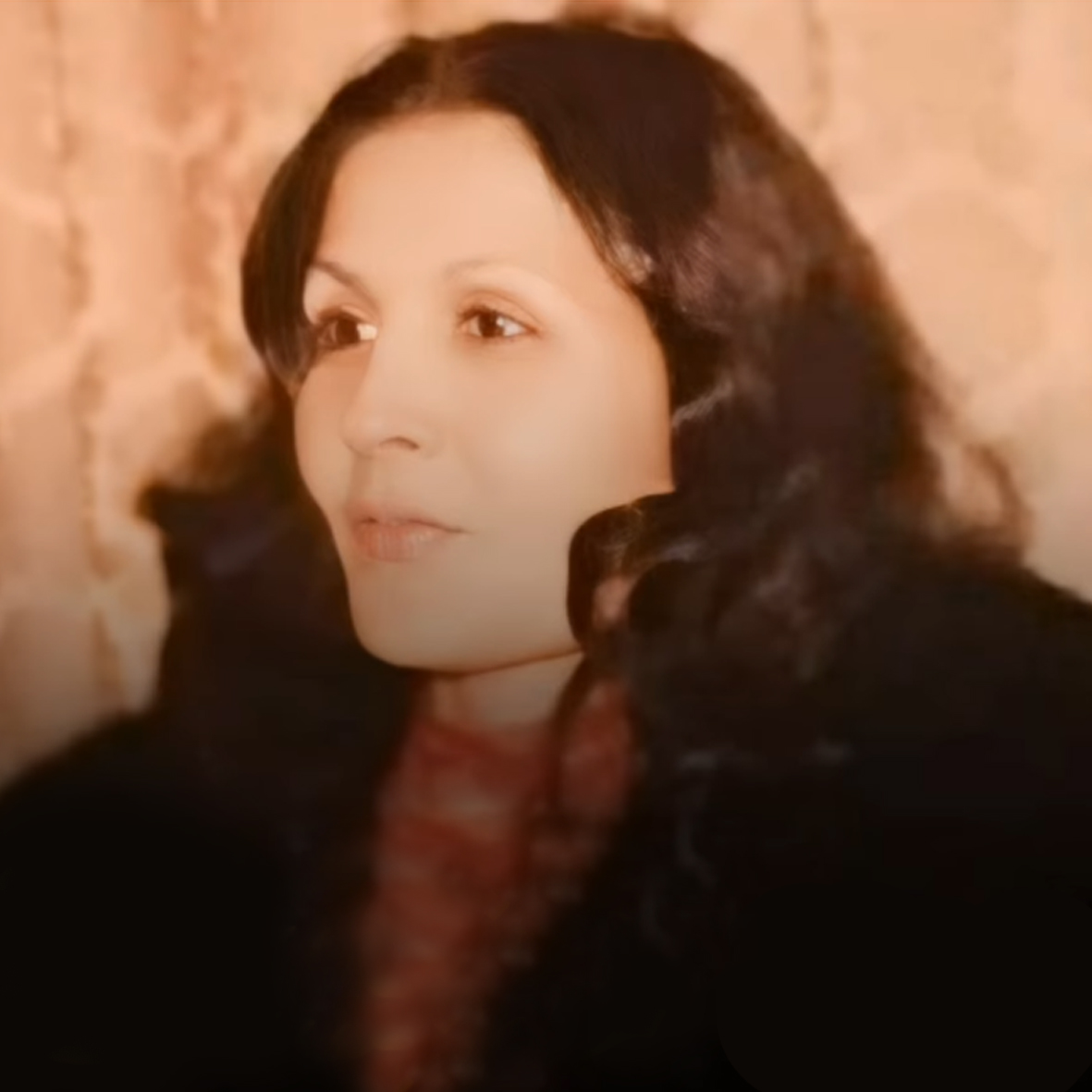
Shahīn Hannānah, the contemporary poet, writer, journalist, songwriter, and painter, was born on Day 3, 1319/December 24, 1940, in Sari, in northern Iran, to a father from Tehran and a mother from Luristan. Some have mistakenly given her birthplace as Tehran and her birth year as either 1322/1943 or 1324/1945.1Sayyid Muhammad Bāqir Burqaʿī, Sukhanʹvarān-i nāmī-i muʿāsir-i Īrān [Renowned contemporary Iranian writers] (Qum: Khurram, 1373/1994), 8:707; Pūrān Farrukhʹzād, Dānishʹnāmah-ʾi zanān-i farhangʹsāz-i Īrān va jahān [Encyclopedia of culturally influential women of Iran and the world] (Tehran: Zaryāb, 1378/1999), 1:752; Farāmarz Sulaymānī, Bārʹvartar az bahār: Naqd va barrasī va namūnahʹhā-yi shiʿr-i zanān-i Īrān [More fruitful than spring: Criticism, analysis, and selections of Iranian women’s poetry] (Tehran: Dunyā-yi Mādar, n.d.), 30. Her father, Fath ʿAlī Khān, was a surveying engineer and an employee of the Bureau of Deeds and Property Registration, while her mother, Nāzī, was a homemaker.2Unless otherwise indicated, the information about Shahīn’s life presented in this section, from the beginning to the end, is based on accounts generously provided to me by Nīmā Hannānah, Shahīn’s cousin, to whom I am deeply grateful. I also had occasional conversations with other members of the late Shahīn’s family, including her brother Īraj, her cousin Amīr ʿAlī Hannānah, and his wife Maryam Rāstʹgū, all of whom I sincerely thank for their kindness and assistance. Shahīn had two brothers, Rizā and Īraj.3Sadly, her brother Rizā passed away at a young age. Shahīn Hannānah reflects on the sorrow of his loss in one of her writings. See Shahīn Hannānah, “Dar sūg-i sāzʹhā” [Mourning for instruments], Dunyā-yi sukhan 29 (1368/1989): 61. Her grandfather, Muhammad, was also a surveying engineer. It is traditionally held that her family descended from Amīr Chūpānī, a noble figure from Daylaman, Gilan.4Tūraj Zāhidī, Bih rahʹbarī-i Murtizā Hannānah [Under the leadership of Murtizā Hannānah] (Tehran: Fīlm, 1369/1990), 76.
Shahīn completed her primary education in Sari, and her middle and high school studies in both Sari and Tehran. She pursued higher education in ceramics in Switzerland. After returning to Iran, she worked for nearly a decade with the magazines Zan-i rūz (Today’s women) and Ittilāʿāt-i bānuvān (Women’s information), at one point serving as the poetry editor for the latter. Alongside her journalistic career, she maintained a strong interest in painting and occasionally exhibited her artwork.5Shahīn Hannānah, Pusht-i darīchahʹhā [Behind the windows] (2nd repr. ed., Tehran: Dunyā-yi mādar, 1371/1992), 143; ʿAlī Dahʹbāshī, “Akhbār-i ahl-i qalam” [News about the literary community], Kilk 18–19 (Shahrīvar–Mihr 1370/September–November 1991): 200. Shahīn also travelled extensively.
Due to her father’s official assignments, Shahīn spent much of her childhood with her paternal uncle, Murtizā Hannānah (1301–1368/1923–1989), a prominent Iranian composer and musician.6Hannānah, Pusht-i darīchahʹhā, 115. The memory of those years is preserved in poems she wrote for her uncle7Shahīn Hannānah, Kilīd [Key] (Tehran: Bāmdād, 1350/1971), 62; Shahīn Hannānah, Gulʹhā-yi rāgiyā (Tehran: Īsparak, 1369/1990), 11; Sulaymānī, Bārvartar az bahār, 139; see also the poem “Dar kūchahʹhā-yi Hijāz” [In the alleys of Hijāz], Dunyā-yi sukhan 29 (Fall 1368/1989): 55. and his first wife, the modernist painter Bihjat Sadr (1303–1388/1925–2009).8Hannānah, Kilīd, 34. Shahīn and Murtizā Hannānah shared a deep bond, and as Āzarʹmaydukht ʿAzīmā notes, they understood each other intuitively.9Khāliqī, “Bih yād-i ān gāmʹhā-yi gumʹshudah,” 61. She learned the fundamentals of music under her uncle’s guidance. Although she possessed a refined knowledge of art, she did not pursue music professionally.10Khāliqī, “Bi yād-i ān gāmʹhā-yi gumʹshudah,” 58. Nevertheless, her songwriting was clearly influenced by her close companionship with her uncle and his instruction. Murtizā Hannānah, in turn, composed a musical piece entitled Gulʹhā-yi rāgiyā (Rāgiyā flowers) based on her poetry.11Hannānah, Gulʹhā-yi rāgiyā, 39.
Later in life, Shahīn married, but the marriage was short-lived. Following the separation, she struggled with depression and eventually died of a heart attack on Tīr 1, 1376/June 22, 1997, at the age of fifty-five. Shahīn is buried in the shrine of Imāmʹzādah Tāhir in Karaj, Iran, alongside the graves of her mother and her uncle, Murtizā Hannānah.
Shahīn’s Works
Shahīn Hannānah has two poetry collections titled Kilīd (Key) and Gulʹhā-yi rāgiyā.12As Shahīn Hannānah explains and as will be discussed further, Gulʹhā-yi rāgiyā, the title of her second poetry collection, refers to “an imaginary flower born of the poet’s own imagination.” See Shahīn Hannānah, Gulʹhā-yi rāgiyā, 39. Following these, she published a commemorative volume entitled Yādʹnāmah-ʾi Murtizā Hannānah (Essays in honor of Murtizā Hannānah) in 1369/1990, in memory of her late uncle. Another of her books, Pusht-i darīchahʹhā13The first volume of this book was published in 1371/1992, and the second appeared posthumously in 1376/1997. (Behind the windows), consists of a series of interviews with the wives of artists.
Shahīn’s songwriting must also be noted among her literary and artistic contributions. Approximately two hundred of her songs are extant. A number of these were performed by singers both before and after the 1357/1979 revolution in Iran. Among these performers are Gītī Pāshāʾī14Gītī Pāshāʾī (1319–1374/1940–1995), late Iranian singer and composer. (“Ghurūbah” / It is sunset), Firishtah15Firishtah Dībāʾiyān (1329–/1950–), Iranian singer residing in Germany. (“Dīgah dunbālʹam nayā” / Don’t follow me anymore), Sawgul16Parvīn Rūzbānʹfar (1329–/1950–), Iranian singer who retired from performing in 1350/1971. (“Sarʹgashtah” / Bewildered); Bitī17Batūl Fakhrī (1331–/1952–), Iranian singer living in Canada. (“Hamʹzabūn” / Kindred spirit), Marziyah18Khadījah Ashraf al-Sādāt Murtizāʾī (1303–1389/1924–2010), late Iranian singer known by her stage name, Marziyah. (“Mādar” / Mother), Humayrā19Parvānah Amīr Afshārī (1323–/1944–), Iranian singer residing in the United States. (“Musāfir-i gharīb” / Foreign traveler), Pūrān20Farahʹdukht ʿAbbās Tāqānī (1312–1369/1933–1990), late Iranian singer. (“Hamʹsidā” / Companion), Sīmā Bīnā21Sīmā Bīnā (1323–/1944–), Iranian singer, instrumentalist, composer, painter, and researcher. (“Rawyā” / Dream), Sīmīn Ghānim22Sīmīn Ghānim (1323–/1944–), Iranian singer currently living in Iran. (“Armaghān-i bahār” / Gift of spring), Akbar Zīglarī (“Dilam daryā-yi khūnah” / My heart is a sea of blood), Nāhīd23Nāhīd Khalkhālī (1337–/1958–), Iranian singer residing in Iran who has retired from singing. (“Chishm-i giryān” / Crying eyes); Mahastī24Khadījah (Iftikhār) Dadahʹbālā, stage name Mahastī (1325–1386/1946–2007), late Iranian singer. (“Azīz-i raftah” / Departed beloved, “Sidā-yi pā” / Sound of footsteps), “Rang-i shab” / Color of night, “Khudā nigahʹdār” / Farewell (literally, may God protect you), “Hamīshah ʿāshiq” / Forever in love), and “Ghamʹgīn va tanhā” / Sad and lonely), Marjān25Shahlā Sāfī Zamīr (1327–1399/1948–2010), late Iranian singer and actor. (“Qatrahʹhā” / Drops, “Qumrī” / Dove, and “Khūnah-ʾi khālī” / Empty house), ʿAhdiyah26ʿAhdiyah Badīʿī (1329–/1950–), Iranian singer residing in Spain. (“Mājarā-yi dil” / The heart’s story), Laylā Furūhar27Laylā Furūhar (1337–/1957–), Iranian actress and singer residing in the United States. (“Hamʹsidā”), Muʿīn28Nasr Allāh Muʿīn Najafʹābādī (1330–/1951–), Iranian singer living in the United States. (“Hamʹsidā”), Sattār29ʿAbd al-Husayn Sattārpūr (1328–/1949–), Iranian singer living in the United States. (“Ghamʹnāmah” / Letter of sorrow), Māziyār30ʿAbd al-Rizā Kiyānīʹnizhād (1331–1371/1952–1992), late Iranian singer. (“Tanhāʾī” / Loneliness), Mānī Rahʹnamā31Shahrām Barmakī Rahʹnamā (1350–/1971–), singer residing in Iran. (“Parandah” / Bird and “Mashkūkam” / I’m suspicious), and Bahrām Sārang32Bahrām Sārang (1330–1391/1951–2012), late Iranian singer. (“Man va khāmūshī” / Me and silence).
Shahīn also authored the novel Zan-i pāyīzī (The woman of autumn), which remains unpublished.33Nīmā Hannānah confirmed the existence of this novel but did not specify its title. Two additional poetry collections, Tālār (Hall)34Burqaʿī, Sukhanʹvarān-i nāmī-i muʿāsir-i Īrān, 707. and Ay rafīq (O friend),35Sulaymānī, Bārʹvarʹtar az bahār, 30. have been attributed to her, although no further information about them survives beyond their titles. Some sources indicate that she wrote several other novels and conducted interviews that remain unpublished; however, no specific titles have been identified.36Vīdā Farhūdī, “Bih yād-i Shahīn Hannānah” [In memory of Shahīn Hannānah], Kilk, nos. 85–86 (1376/1997): 638–39. A selection of her poetry has been translated into Turkish and published in a volume entitled Dolunayda Kızıl Tef Çalan Kadınlar: İranlı Kadın- Şairler Seçkisi (Women who play the red daf at the time of the full moon: Iranian Women – poets selection).37Haşim Hüsrevşahi, Dolunayda kızıl tef çalan kadınlar: Iranlı kadın – Şairler seçkisi, (Istanbul: Totem, 2015.)
Most Significant Subject Matters in Shahīn Hannānah’s Poetry
During her relatively short life, Shahīn Hannānah published only two poetry collections. Her first collection, Kilīd, was published in Shahrīvar 1350/September 1971 in Tehran. It contains thirty-nine poems spanning 125 pages, most of which are composed in the shiʿr-i naw (modern poetic) style. None of the poems in the first section of the book are dated; however, the second section features a selection of ten poems written before 1346/1967. She did not compile and publish all of her poetry, as several of her poems that appeared in magazines were not included in her collections.38A number of Shahīn’s scattered poems published in magazines include: Shahīn Hannānah, “Gul-i umīd” [Flower of hope], Ittilāʿāt-i bānuvān 2, no. 168 (Tīr 1339/July 1960): 23; Shahīn Hannānah, “Murgh-i gharīb” [Strange bird], Ittilāʿāt-i bānuvān 2, no. 190 (Āzar 1339/December 1960): 7; Shahīn Hannānah, “Būsahʹgāh-i bārān” [Kiss of rain], Khurāsān bānuvān 7, no. 349 (Shahrīvar 12, 1345/September 3, 196): 6. Some of the poems in Kilīd were composed during her time in Germany and Switzerland.39Hannānah, Kilīd, 33, 49, 105, 109, 114, 117, 119, 125.
Shahīn’s second poetry collection, Gulʹhā-yi rāgiyā, was published in 1369/1990. It includes fifty-one poems over one hundred and eleven pages. Most of the poems in this volume are dated, although they are not arranged chronologically. Much of the collection is written in the shiʿr-i naw style, but it also features several masnavīs (rhyming couplets), ghazals (lyric poems), and tarānahs (songs). A printed copy of this collection, preserved in the National Library of Iran, contains corrections of spelling mistakes and certain omissions made in the poet’s own handwriting.
The principal themes in Shahīn’s poetry are journey, love, life, and death. In fact, journey, love, and death unfold within the broader experience of life. This article first examines each of these themes independently, along with their subtypes, and then discusses their interrelations and continuities.
Journey
The journey is a central and compelling motif in the poetry of Shahīn Hannānah. In her verse, it serves as a means to explore a range of emotional and existential themes. Hannānah herself traveled extensively during her lifetime, including for her studies abroad, yet the journeys depicted in her poems are rarely joyful. Instead, they evoke emotional, spiritual, and often melancholic experiences. The journeys in her poetry can be categorized into four broad types: pleasant journeys, painful or alienating journeys, journeys as metaphors for death, and journeys intertwined with love.
In one poem, Shahīn begins with an image of foreign caravans arriving from distant lands. The origin and destination of the journey remains ambiguous. The roads are dark, and the travelers are without a guide to lead them to the city; no one welcomes them.40Hannānah, Kilīd, 27. In the poem “Āshiyānah’hā khālī ast” (The nests are empty), the speaker evokes a bleak and heavy atmosphere, urging an imagined beloved not to come to this land, for the nests are vacant, and the soil bears the weary scent of travel.41Hannānah, Kilīd, 37–64. In another poem, the poet pleads with the beloved not to leave her like a stranger, because for him she holds a “desert” of joy and love.42Hannānah, Kilīd, 82.
In the poem “Dar fasl-i dastʹhā-yi tū” (In the season of your hands), Shahīn offers a moment of tentative hopefulness:
In that sunset
—when the wind
Sang the travelers’ songs
—to the windows…
Now all the windows
Are open
And I am thinking of the pond
And that traveler
Who has grown estranged
From the wind’s song
And from the travelers43Hannānah, Kilīd, 92–93.
Here, the speaker recalls a time when the world responded to the rhythm of journeys, but now the traveler is alienated even from that elemental music.
In the poem “Hamrāh-i pāyīz” (Companion of autumn), the journey is one of sorrowful return. The companion of autumn comes back from a distant land with a restless heart, having left his beloved behind. He returns with tearful eyes, having encountered no familiarity in that foreign place. The roads were dark, the land remote, the sky moonless, the night silent and cold, and the moon without light. No one responded to his greetings except the leafless trees. A journey without the beloved turns life bitter; such a journey is a dark life.44Hannānah, Kilīd, 120–122.
In “Ākharīn shiʿr” (The last poem), the journey becomes synonymous with a poetic and existential endpoint:
This is my last poem
Journey.45Hannānah, Gulʹhā-yi rāgiyā, 73–75.
The poet continues by equating love with an endless road and the beginning of a journey. The speaker steps onto that road carrying with her a basket of memories from a lifeless existence so bleak that even the walls seem to hold countless stories of its absurdities. Although the couple once traveled together, this is a solitary journey: vague, sorrowful, and final, a journey with no return.46Hannānah, Gulʹhā-yi rāgiyā, 73–75.
In the poem “Safar” (Journey), this same somber vision persists. On an anxious night, amidst tears and uncertainty, the speaker packs her belongings for a journey. The flowers in the vase have wilted, as if to say that this journey means autumn and winter. Their repeated cycles of attachment and detachment seem etched into the memory of the alley. This is her saddest journey. It is unwelcome and painful. She asks, if journeys are so good, why is there no trace of a journey in the neighbor’s home? 47Hannānah, Gulʹhā-yi rāgiyā, 83.
Shahīn’s identification of journey with death is most directly expressed in a poem mourning the passing of Murtizā Hannānah. Here, journey and death become one and the same:
You were the meaning of journey, you departed
You were not ensnared by these halts
You joined the sea like a river
You left us in this thirsty desert…
I long to depart from here
To the beyond, to the far side of the horizons…
You sang the song of separation, alas,
If only you had taken me with you48Hannānah, Gulʹhā-yi rāgiyā, 11–13.
The final transformation of the journey motif in her poetry appears in its union with love. In the poem below, the journey is a symbol of love itself, a transient, ungraspable force:
I remember in the city of my heart, love
Was like a train that came silently and passed
As if there were no station in my heart
It did not stop, and it never returned49Hannānah, Kilīd, 33.
In this image, love is a journey that fails to arrive. It does not linger, nor does it come back. As with some of Shahīn’s poems, the destination is absence, and the journey is a metaphor for longing, loss, and the transient nature of connection.
Love and Its Types
Love and lyrical literature are the lifeblood of Persian literature, and Shahīn Hannānah’s poetry is no exception. In her body of work, love is the most frequently recurring theme. Her treatment of love can be classified into four distinct categories: mystical love, physical and earthly love, social love, and symbolic love. Mystical love appears in her poetry only once and, contrary to expectation, she does not place it above physical love. Both forms are portrayed as integral yet separate parts of life. Shahīn seems to regard mystical love as distant and unattainable, while earthly love is within reach. Her poetry demonstrates greater attention to physical love, suggesting that the harried and anxious modern human no longer has the capacity for divine or sacred forms of love:
I sit alone
Deep in the darkness of my own doubt…
Is there anyone
Beneath the vastness of the sunset
Reading a poem for seasons past?
A poem for me, for the river,
For the mirror?
What is it that stirs my unease?
Screams
Fall silent
In the city of stones and scarecrows.
The time of divine love has passed.
Now it’s me,
The distressed human.50Hannānah, Gulʹhā-yi rāgiyā, 43–44.
Aside from this isolated instance, mystical love does not reappear in her poetry. In contrast, earthly love is a constant and vivid presence. For Shahīn, love is the most beautiful of all words. She laments that letters and written expressions have been emptied of love’s message, and so she calls for the word of love to be inscribed upon the very walls of the city:
On the city’s walls
Carefully and slowly
Let us write the word of love
For it’s been so long
Since letters carried its voice
Let us write that love
Is the most beautiful word
Among the world’s words51Hannānah, Gulʹhā-yi rāgiyā, 34.
For Shahīn, a life without love is devoid of meaning. It is through the presence of the beloved that she becomes both a poet and a lover; her identity as a woman is renewed and redefined. She employs the phrase “feminine pledge,” which might at first appear to signify fragility or weakness. Yet in the context of the poem, it becomes clear that her pledge is one of strength and commitment, a distinctly feminine vow that remains steadfast in the bond of love:
More colorful than spring you come, romantically.
I carry the burden of waiting on the doorstep of the house.
My clothing is love and my embrace is full of love.
My hands are like a field of grass with flowers and sprouts.
Do not ask me to follow the ways of silence in love.
The rage of the river cannot be concealed.
Let me speak, with this tired voice,
A new word of love in a time of estrangement…
With empty hands I come from the past
To the threshold of your love
With a feminine pledge.52Hannānah, Gulʹhā-yi rāgiyā, 35–36.
The anxiety and turmoil that overcome her in the beloved’s presence expose the depth of her love.53Hannānah, Gulʹhā-yi rāgiyā, 5. At times, love seems to reawaken on her very skin.54Hannānah, Gulʹhā-yi rāgiyā, 9. She seeks a hand that might open the gates to the golden city of love.55Hannānah, Kilīd, 109. She paints love in shades of blue and imagines it as a white bird that has flown away, leaving behind only its absence:56Hannānah, Gulʹhā-yi rāgiyā, 104.
That bird is gone
That white bird
The one named Love
It flew away
From this window’s edge.57Hannānah, Gulʹhā-yi rāgiyā, 67.
At times, this earthly love in Shahīn’s poetry evolves into sensual and physical intimacy. She does not hesitate to declare her rebellion against tradition and the veneration of conventional norms. In the poem “Raqsīd” (He danced), she writes openly about an erotic encounter. In a cramped, dimly lit room, a man whose breath smells of aged wine ignites her body with his kisses. He is a man of desire, whose bright green eyes encompass the world and whose very body embodies the summer. In that moment of intimacy, they become one:
He danced and danced
in that narrow room,
that dim-lit room.
His lips carried the scent
of old wine
his kisses
poured fire through my body.
I felt
the world
was nothing but
his bright green eyes.
In that moment,
I was no longer myself.
All was him.
Together,
we overcame
tradition and its worship.58Hannānah, Kilīd, 46–47.
Shahīn’s social love manifests as devotion to her homeland. She loves her country with unwavering passion and refuses to leave it. In her eyes, the nation represents the blossoming of red flowers, an image synonymous with the emergence of love. In the following poem, she speaks to her homeland, saying “you bear wounds upon your body and scars upon your soul. I will stay by your side and heal you with the fragrance of strange desert flowers. I will journey through cold and dark roads, guided by your light,” and the warmth of her patriotic love dispels the chill from her heart:
O soil, o soil,
O sorrowful soil…
Love blooms from you so red…
Scars upon your body,
Pain within your heart
I will remain and wash you
With the scent of strange desert flowers…
With your fire,
The chill waves leave my home…
O soil, o soil,
I am the very last
To bid you farewell.59Hannānah, Kilīd, 23–24.
In the poem “Fardā, hizār sitārah” (Tomorrow, a thousand stars), dated to the winter of 1357/1979, around the time of the victory of the Islamic Revolution in Iran, she bridges the darkness of night and the radiance of the morning sun with the hands of martyrs. She envisions a future in which flowers bloom from the soil of their graves. Tomorrow arrives on the chariot of love through the dust of the road and proclaims from the martyr’s blood, love earns its dignity:
Tomorrow,
Flowers will bloom from the soil of each martyr.
Tomorrow, through the dust of the road,
The rider of the chariot of love
Will arrive and sing:
O martyr,
From you, love gains its dignity,
From you, love takes on a new color.60Hannānah, Gulʹhā-yi rāgiyā, 27–28.
In another poem written in the same period, titled “Tabʿīdiyān biyāyīd” (Come, exiles), Shahīn offers a hopeful prediction of the future. She sees liberty as attainable and captivity fading. In this poem, the phrase bādʹhā-yi muhājir (migrant winds) prompts interpretive questions. Does it symbolize the foreigners or those who have colonized the country and are now compelled to leave at the dawn of freedom? Is it only through their departure that love may return and expand to fill every heart? She envisions a flourishing homeland and a life liberated, and she calls upon exiles, those who love their country, to return and share in the experience of freedom and love.61 Hannānah, Gulʹhā-yi rāgiyā, 29–30. Her love for the homeland ultimately transforms into symbolic love:
I still remember
How the innocent leaves,
In devotion to love,
Strangely went to the slaughter.62Hannānah, Gulʹhā-yi rāgiyā, 105.
In the poem “Hisār” (Fence), Shahīn longs for houses without barriers and open alleys in an age when love breaks under the whips of doubt:
Take me…
To houses without walls,
To alleys without dead ends.
Take me, lest in this harsh time
When love breaks under the whips of doubt,
The fences between you and I rise to the sky.63Hannānah, Gulʹhā-yi rāgiyā, 87–88.
Shahīn coined the phrase gulʹhā-yi rāgiyā and chose it as the title of her second and final poetry collection. She explains, “Rāgiyā is an imaginary flower born of the poet’s own thoughts.”64Hannānah, Gulʹhā-yi rāgiyā, 39n. In her poetry, gulʹhā-yi rāgiyā signifies nothing but love:
The world is dark,
Dark, mist-covered, and sorrowful.
And the vases
Are empty of rāgiyā flowers…
The world is dark,
Dark, mist-covered, and sorrowful.
Perhaps a voice
From this side of the East
Will send a message
Of love’s rebirth.
Perhaps tomorrow
Will be the season
Of the blossoming of rāgiyā flowers.65Hannānah, Gulʹhā-yi rāgiyā, 39–41.
In the poem “Khāk” (Soil), Shahīn writes with even greater clarity:
Bury me in the soil,
In the soil,
This center of blossoming,
The center where rāgiyā flowers bloom.
Rāgiyā flowers
That blossom
In the violet moment of love.66Hannānah, Gulʹhā-yi rāgiyā, 96.
Love holds such essential importance for Shahīn that she believes it is possible to live with love even in a cage or captivity.67Hannānah, Gulʹhā-yi rāgiyā, 89. She insists that love must return to the tables from which even bread is absent.68Hannānah, Gulʹhā-yi rāgiyā, 25. Now is the season of unanswered smiles and wounds without remedy, a time in which love is led to the gallows, yet remains present in the core of belief:
But in the season of unanswered smiles,
Wounds without remedy,
In the enclosure of darkness and chains,
In the season when love is led to the gallows,
With me or without me,
Always believe in love.69Hannānah, Gulʹhā-yi rāgiyā, 54.
At times, life and love are intertwined in Shahīn’s verse, just beyond a fence called life. There begins the tale of sincerity:
On the other side of this fence,
There is light,
There is tenderness,
There is also love.
On the other side of this fence,
There is a tale—
The tale of sincerity.70Hannānah, Kilīd, 11.
Ultimately, life signifies living in love and through love:
Each sunset, he
Stands beside me in prayer,
And finds faith
In love, and love, and love.
And I lived in you,
And I lived with you.71Hannānah, Kilīd, 93–94.
Life and Living
In Shahīn Hannānah’s poetry, life appears in two senses: the ordinary rhythm of daily existence and, in a higher sense, the concept of living. Even her descriptions of everyday life are not devoid of imagination. She writes of her mother’s illness but moves seamlessly into broader social concerns. In her verse, daily life, with all its light and shadow, is rendered in vivid detail. She writes of the scent of bread, school days, her father’s guidance, and her mother’s illness, which has left her unable to speak. She then offers comfort to her mother, affirming that this is the age of silence:
How fine a smell our house had with you
The scent of fresh herbs, the scent of bread,
The scent of a spring nap on the veranda…
I remember those days—
The days of the anthem of “O Iran” (Ay Īrān),
Of conversations with young friends,
The school of father’s advice…
Life had good seasons…
O, now your voice is gone.
O, now your tongue is silent…
Listen, listen to what I say.
Why should you need to speak?
This is the age of silence.72Hannānah, Gulʹhā-yi rāgiyā, 63–65.
In the poem “Fasl-i marg-i parandahʹhā…” (The season of birds’ death…), Shahīn again reflects on familiar images of daily life. Here we encounter a fortune-teller. The fortune-teller’s props, her fāl, such as coffee cups, are portrayed as obscure and shadowed, just like life itself:
The city lies silent…
The hands of the one who arrives
Are barren of life, empty…
The neighbor, a fortune-teller,
Once again reads the coffee grounds.
The shadowy shapes in the cup
Are as dark as life’s reflections,
As obscure as its images.73Hannānah, Kilīd, 40.
In Shahīn’s work, living carries multiple meanings. At times, she considers it futile, portraying life in the color of sunset. She compares living to a sin that she, like others, has unconsciously repeated:
Someone was telling me:
Like drifting specks on water,
You lived in vain…
Life’s image is stained with the hue of sunset.
And I reflect…
I, too, like all human beings,
Unwittingly repeated
The sin of living.74Hannānah, Kilīd, 14–16.
This theme of repetition, suggesting fatigue and futility, reappears several times: the repetition of days, of dreams, of remaining, and of meaningless living:
Repetitions,
Repetitions,
The repetition of days,
The repetition of dreams,
The repetition of staying and living in vain.
O, how brutally
These repetitions
Chain my soul.75Hannānah, Kilīd, 54.
The end of life, in Shahīn’s view, is nothing but the endless recurrence of such hollow, meaningless, and tormenting repetitions:
The leaves whisper to the window:
Life is a repeated word.
Life is a repeated word.76Hannānah, Kilīd, 30.
In the current of Shahīn’s eyes, one sees the images of days and nights gone by; reflections of life’s immense sorrow and futility, of a world darkened,77Hannānah, Kilīd, 79–80. of the dull clamor of urban life,78Hannānah, Kilīd, 26. the wearying crowds of scarecrows,79Hannānah, Kilīd, 19. the obscurity and absurdity of existence:
I, who come from the land of simple trees…
Cannot be deceived…
For it is carved on stone:
Life is vague!
It is carved on stone:
Life is futile!80Hannānah, Kilīd, 66.
At times, Shahīn is weary of life, of time, and the long passage of difficult years.81Hannānah, Gulʹhā-yi rāgiyā, 49. In the following poem, her house and memories feel like a cage that afflicts her, as she sits in anxious anticipation of the return of the prison guard:
In this cage,
Within this frame of memories,
Like a blind, eternal prisoner,
All day long,
All through the night,
I sit in anguish,
Awaiting my prison guard.82Hannānah, Kilīd, 61.
Shahīn’s perspective, however, is not always focused on the desolation of life. Her poetry is replete with love, hope, and the remembrance of the beloved:
I was with you,
All night, with you.
Love dwelled within me,
–I was free in the wind.
Love dwelled within me,
–I was free among the clouds
The reflection of trees in water…
My mind overflowed with the poetry of life
My heart was full of your remembrance.83Hannānah, Kilīd, 28–29.
Shahīn’s most expansive view of life can be found in the following poem, where she embraces life in all its sorrow, ambiguity, and unrest:
I return again
And gaze upon my full hands
In them flows
Life with all its unrest,
Life with all its ambiguity,
Life with all its sorrow.84Hannānah, Kilīd, 71.
The poet entrusts her sorrows to the wind. She has learned from her beloved, who is light, that life is beautiful.85Hannānah, Kilīd, 96. From her point of view, to live confined within the bounds of fixed belief is a great transgression.86Hannānah, Kilīd, 55–57. She believes that love must be liberated from the terror of death.87Hannānah, Gulʹhā-yi rāgiyā, 84. Yet the fusion of life and death remains a central theme in her work. For her, if death arrives while love still dwells within us, then life truly begins. This is how she reveals the power of love:
The line before us
Is the line of arrival.
Now, be brave.
My death and yours, our death
Marks the beginning of life.
With our death,
The glorious history of love
Begins anew.88Hannānah, Gulʹhā-yi rāgiyā, 52.
In Shahīn’s vision, life and death coexist. Death is found at the margins of life, or perhaps life also exists at the heart of death:
Who am I among this gathering of the downcast?
A blind candle on the grave of life.
What am I seeking in this suffocating house?
Death in the throes of life.89Hannānah, Kilīd, 113.
In the end, the poet concludes that one must become accustomed to something that lies between life and death, and endure, for life continues:
I weep
For my beliefs scattered to the wind.
And I return.
Perhaps I can grow accustomed
To something between life and death,
And go on,
Continuing along the path.90Hannānah, Kilīd, 45.
Death and Its Contemplation
Our initial encounter with death in Shahīn Hannānah’s poetry occurs at the very beginning of her first poetry collection, Kilīd. She dedicates this poem to her father and expresses her sorrow over his passing. This theme illustrates the lasting impact of death on her mind. A bird sings a song of death on the horizon and becomes lost innocently.91See Hannānah, Kilīd, 7, and the cited poem in the same collection, 57–58. Immediately following this, in the first poem of Kilīd, she writes about the death of love, emotion, light, doves, and trees. This poem portrays the fences of today’s life in a sorrowful atmosphere:
Behind this fence,
I have witnessed love’s death,
The death of emotion, the death of light…
Do you not see…?
I close my eyes
To avoid seeing the foe,
To avoid seeing the doves’ death…
And the trees
Patient and brave,
Salute death.92Hannānah, Kilīd, 9–11.
The poem “Kūch-i bargʹhā” (The migration of the leaves), which immediately follows, explores loneliness, or absolute loneliness. Shahīn describes herself as more broken than autumn leaves and observes the green leaves of spring innocently embarking on a journey, joining an imagined autumn. She then returns from the burial of red flowers.93Hannānah, Kilīd, 13–14. In another poem, Shahīn again describes herself more broken than dead leaves.94Hannānah, Kilīd, 90. The clouds of forgetfulness have overtaken her mind; she is weary, familiar with the siege of sorrow, eternally entombed in doubt and imprisoned by submission and resignation.95Hannānah, Kilīd, 34–36. Therefore, it is not an exaggeration to regard Shahīn as a poet perpetually meditating on death. She reflects on her own death in a room overlooking the sea, addressing an inner voice that speaks of death.96Hannānah, Gulʹhā-yi rāgiyā, 15. She has been dead within herself for years; therefore, no one can reconcile her with the seasons of flowers, sunshine, and love. In the city of statues, the dead city, people wear the garments of death and speak of the death of dawn.97Hannānah, Gulʹhā-yi rāgiyā, 45–46. In her poetry, the skylark brings news of the death of flowers and love.98Hannānah, Gulʹhā-yi rāgiyā, 93. In a poem reflecting on the absurdity of life, Shahīn asserts that the destiny of humanity is death and decomposition in dark soil:
Life is meaningless!
And the human…
Ultimately
Rots in a bed of dark soil.99Hannānah, Kilīd, 66–67.
Shahīn views continuity—and perhaps repetition—as trivial. Worse still than triviality is dying in prison:
To be repetitive
Is a trivial tale.
To be repetitive
Is to die in prison.100Hannānah, Kilīd, 70.
In Shahīn’s view, the heart is the grave of human faithfulness.101Hannānah, Kilīd, 117. It is futile to expect miracles in a city inhabited by statues. There, love is meaningless, and one should not become accustomed to it. She compares becoming accustomed to love to addiction, since both cause human suffering. She argues that an excess of love renders it futile, while excessive kindness results in the death of emotion:
I know
I should not grow addicted
-to emotion,
Because it dies.
I know
In the city of statues,
One cannot expect miracles.102Hannānah, Kilīd, 86.
In one poem, after describing intimacy with the beloved, Shahīn longs to forget the past days of hardship and sings of the death of those days.103Hannānah, Kilīd, 48. In another poem, despite the bitterness and fatal nature of memories, she is willing to give her life while clinging to the flowers that remind her of her beloved:
The image of memories
Is bitter and deadly
Before my eyes.
Now that I am caged like this,
Take my life,
But pause—
Do not take the flowers he left me.104Hannānah, Kilīd, 105.
In the poem “Marā ihsās kun” (Feel me), Shahīn asks the beloved to drink her like burning wine; otherwise, she will drink the final cup of death and die like the unsmiling buds of autumn.105Hannānah, Kilīd, 119.
An essential point to note is the coexistence and frequent blending of life and death in Shahīn’s poetry. Although she distances herself from others, she loves them and draws her life and strength from them. Here, death becomes life, and this offers one of her most humane perspectives on life and humanity:
Though a sea of distance
Lies between me and all people,
It is from them I draw my life,
I take strength from the vein of death.106Hannānah, Gulʹhā-yi rāgiyā, 31.
Ultimately, this poem intertwines the three central themes of her poetry—love, life and death:
You shape a statue
With words,
And the world pauses to gaze.
A statue molded from words of love,
Of kindness,
Of freedom.
And the dead awaken
In the heart of the earth,
Stirred by the feeling of love.107Hannānah, Gulʹhā-yi rāgiyā, 79.
Conclusion
The most significant themes in Shahīn Hannānah’s poetry are journey, love, life, and death. Each of these themes includes its own subcategories, which have been examined individually in this study. More importantly, there is a close interrelation among these core motifs. The theme of journey is used in a range of ways: at times it is portrayed as pleasant, but more often it is depicted as unpleasant and wearisome. In certain poems, the journey merges with love; in others, it symbolizes death.
The concept of love is diverse and shifts between mystical, physical, and, at a higher level, social love. In its social dimension, love expresses patriotism. The notion of life also oscillates between the meaning of mere daily routine and that of truly living. At times, life is represented as sorrowful, at others, as hopeful. Despite all its flaws, life is portrayed as beautiful.
The theme of death, and meditations on it, appears in Shahīn’s poetry with considerable variety. The most striking expression is the blending of death with life, where the two are portrayed as coexisting closely and side by side, present within and around us.
In sum, it may be said that Shahīn Hannānah, by reflecting on simple occurrences such as journey, has succeeded in crafting poetic imagery. She links the journey both to love and to death. Love lies at the heart of life, and life is shown to coexist with death. She weaves the four themes of journey, love, life, and death into an integrated whole. Her effort to draw together such seemingly distant concepts is a testament to her poetic sensibility and distinctive perspective.